
There is no bad time to visit South Africa with children. There are only trade-offs, and once you know what they are, choosing your month becomes straightforward.
The country runs several climates at once. While Cape Town is having a wet winter, the bush up north is having its finest game-viewing weeks of the year and the Durban coast is warm enough to swim. That sounds complicated, and it is actually the opposite: it means whenever you can travel, somewhere in South Africa is at its best.
What follows is what each season genuinely feels like with children in tow, a month-by-month view, and how to time a trip around wildlife rather than weather.
The short answer, if you want one
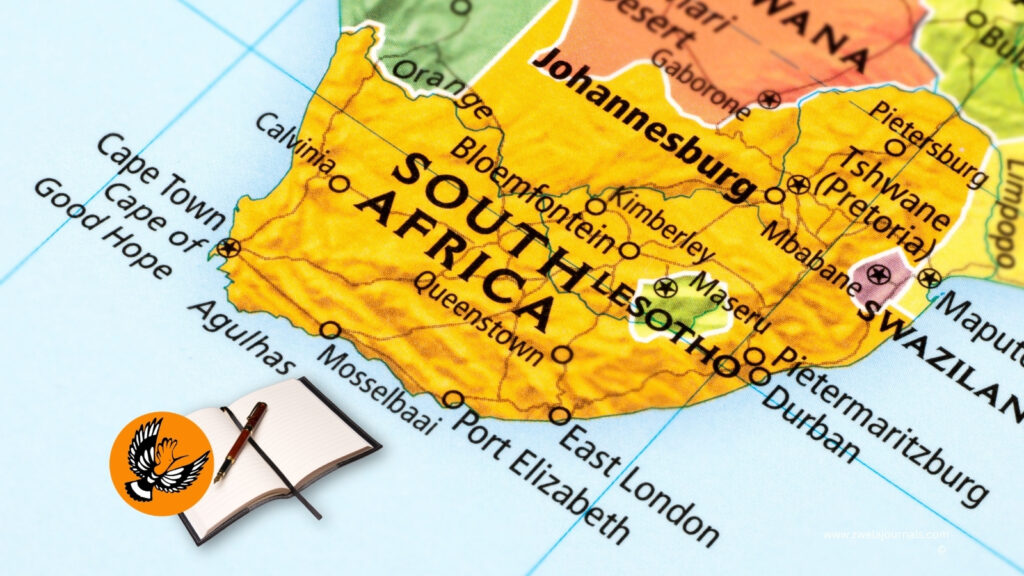
April to May and September to October are the sweet spots for most families. You get mild days, thin crowds, good rates and, in the bush, some of the best wildlife viewing of the year. If someone made you pick a single month, take April.
If beaches are the whole point of the trip, come between December and March and accept that December is expensive and busy. If safari is the priority, come between May and September. If the budget is the deciding factor, come in winter.
One thing worth knowing before you go further, because it changes family travel completely: there is no jet lag. South Africa sits on the same time band as most of Europe, an hour or two ahead of the UK depending on the season. Overnight flights land in the morning and children step off ready for breakfast rather than three days of chaos. Very few long-haul destinations offer that.
One country, several climates
The seasons are flipped from the northern hemisphere. Summer runs December to February, autumn March to May, winter June to August and spring September to November. Christmas is a beach holiday here.
Beyond that, the country does not have one climate, it has about four, and they do not line up:
- The Cape has a Mediterranean pattern: dry, hot summers and wet, cool winters. Rain falls in June and July.
- The bush and the northern half are the exact reverse: rain falls in summer as afternoon thunderstorms, and winter is bone dry.
- The KwaZulu-Natal coast is subtropical, humid in summer and mild and dry in winter, when the sea is still warm enough to swim.
- The interior, the Karoo and the Drakensberg swing hard between hot days and genuinely cold nights, in some places with frost and snow.
This is why “when should we go” has no single answer, and why a trip that combines two regions can hand you two different seasons in a fortnight.
Summer, December to February
Long, hot, bright days and the sun up until nearly nine in the evening, which is a gift when you have children who wake early and want to swim after supper.
This is the Cape at its best for beach days, with warm, dry weather and everything open. The catch is wind. The south-easter blows hard through high summer and can flatten a beach plan without warning, so keep a wind-sheltered alternative in your back pocket and check the forecast the night before rather than the week before.
December into mid-January is also when the entire country goes on holiday. Coastal towns fill up, accommodation prices climb steeply and popular restaurants need booking. Come in February instead and you get nearly identical weather with a fraction of the crowds and considerably better rates.
Up in the bush, summer is hot and humid with dramatic afternoon storms. The bush is thick and green, which makes animals harder to spot, but it is also when the baby animals arrive and the migrant birds are back. It is the more beautiful season and the harder one for game viewing.
Autumn, March to May
Ask South Africans when to visit and a lot of them will say autumn.
The summer wind drops, the light turns golden, the sea is still warm from summer and the crowds have gone home. March and April in the Cape are close to perfect for families: warm enough for the beach, cool enough to walk up things, and calm enough to actually enjoy a meal outside.
In the bush, autumn is the turn. The rains ease off, the grass starts thinning and the animals become steadily easier to find. By May the dry season is properly underway and game viewing is very good indeed, without the winter cold snap on early morning drives.
Prices sit at their most reasonable outside the Easter fortnight, which is a South African school holiday and does get busy. Work around it and autumn is arguably the best value of the year.
Winter, June to August
Winter splits the country neatly in half, and this is where families often make the wrong assumption.
The Cape is wet. Not endlessly, but June and July bring genuine storms, and a fortnight in Cape Town in July is a gamble. What you get in exchange is a green, dramatic, half-empty city at the lowest prices of the year, with fires lit, whales arriving and mountains under cloud. Some people prefer it enormously.
Meanwhile the bush is having its finest hour. The vegetation has died back, the waterholes have shrunk, and animals gather where the water is. This is the best game viewing of the year, by a wide margin, and it is also when malaria risk in the Lowveld is at its lowest. Pack properly for it: days are mild and pleasant, but a game drive leaving at half past five in June is genuinely cold, and lodges hand out blankets for a reason.
The other winter answer is the KwaZulu-Natal coast, which barely notices the season. The villages north and south of Durban stay mild and dry, and the sea holds around twenty-one degrees, warmer than the Cape manages in February.
Spring, September to November
Spring is the season that gets overlooked, and for families it may be the most rewarding of the lot.
September and October bring warming days, settled weather and, on the West Coast and up into Namaqualand, one of the strangest sights in the natural world: hundreds of kilometres of dry scrub erupting into carpets of wildflowers for a few short weeks. It is entirely weather-dependent and impossible to book in advance, which is part of the appeal.
The whales are at their peak too. Southern right whales come in close along the Cape coast to calve, and from a cliff path at Hermanus you can watch them without a boat, a wetsuit or a single rand spent.
In the bush, the dry season holds through September before the first rains arrive in October and November. Late spring brings the newborns, the migrant birds and greening grass, with viewing still good before the vegetation thickens up.
Crowds stay light apart from the short school holiday around late September, and rates stay reasonable right up until December.
A month-by-month view
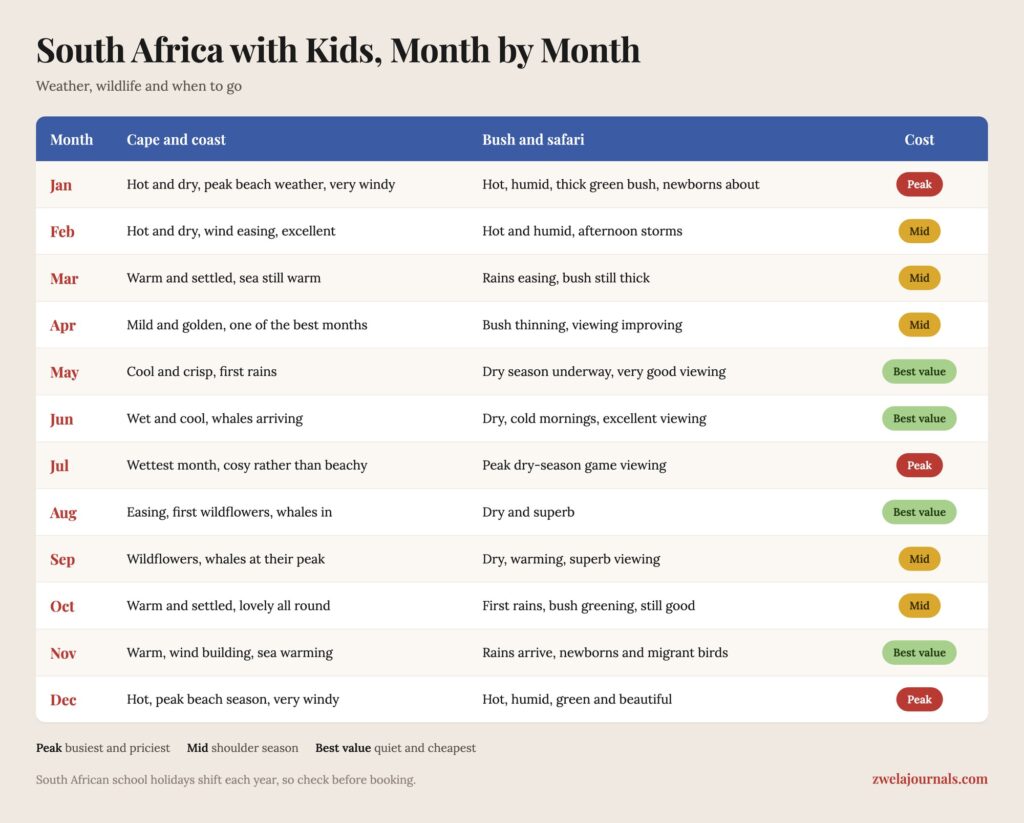
If you are timing it around wildlife
Weather is the usual way to choose a month. Wildlife is the better one, because most of it only happens in a window, and children remember the animal far longer than they remember the sunshine.
- Whales, June to December. Southern right whales along the Cape coast, peaking in September and October, and watchable from land.
- Wildflowers, August to September. The West Coast and Namaqualand, weather-dependent and worth chasing.
- The sardine run, June and July. Millions of fish moving up the KwaZulu-Natal coast, pursued by everything that eats them.
- Turtle nesting, November to February. Loggerheads and leatherbacks on the northern KwaZulu-Natal beaches, with hatchlings following into March.
- Newborn animals, November to January. The rains bring the calving season, and the bush fills with wobbly legs.
- Best general game viewing, May to September. Thin bush, thirsty animals, short odds.
School holidays, crowds and cost
South African school holidays matter more to your trip than the weather does, because they decide whether you are sharing the beach with the whole country.
There are four, and the dates shift a little each year, so check before you commit:
- Mid-December to mid-January. The big one. Coastal towns are full, prices peak and popular places book out months ahead.
- Around Easter. Roughly a fortnight, busy but manageable.
- Late June into July. The winter break, which is when the bush gets busy rather than the coast.
- Late September into early October. Short and much gentler.
Northern hemisphere school holidays add their own pressure in July and August, which lands squarely on the safari lodges. If your own school calendar ties you to summer, aim for the Cape and the coast rather than the bush, or book the bush a long way ahead.
The genuine bargains sit in May and November, the two months either side of the busy blocks, when the weather is still good almost everywhere and nobody else has worked it out.
Our honest view
Most families overthink this. South Africa is generous with its weather, and the difference between a good month and a slightly better one is far smaller than the difference between rushing a trip and giving it room to breathe.
If you have a free choice, go in April or in October. If you do not, go anyway, and shape the trip around what that season does well. Come in July and put the bush at the centre of it. Come in December and build it around water. Come in September and go and find the whales.
What children remember is rarely the temperature. It is the morning the mist lifted off a waterhole, the afternoon the wind was too strong to swim so everyone ate chips in the car instead, the first time they saw a whale roll over from a cliff path. Those things happen in every month of the year.
Take note of the little things, celebrate the big things. South Africa hands children plenty of both, whenever you arrive.
The Best Time to Visit South Africa with Kids…
Once you have picked your season, our complete family travel guide to South Africa will help you shape the route, and our honest guide to travelling safely with children covers the practical side. For somewhere to actually go, try our ten favourite family destinations, and when the suitcase comes out, how to pack smart when travelling with kids in South Africa is worth five minutes.
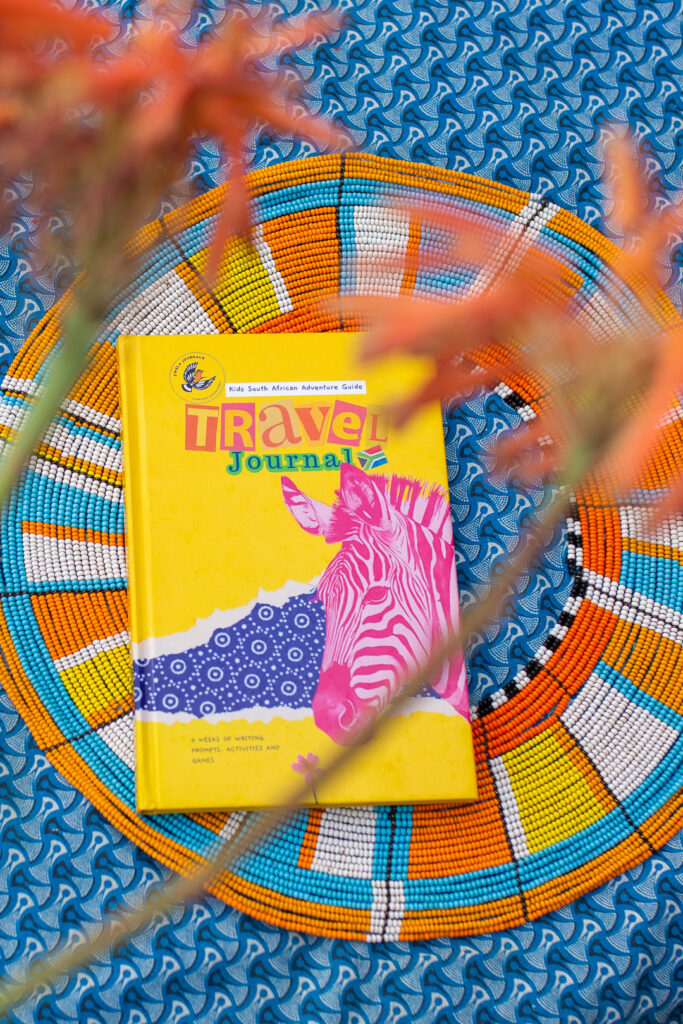
And to help children hold onto the season they travelled in, our South African Travel Journal gives them somewhere to gather the animals, the weather and the small discoveries as they happen. There are more ideas on our Kids Travel Resources page.