It takes a village to raise a child. We think it takes a village to protect the wild too.
Today is World Rhino Day, a day to celebrate these extraordinary animals, but also the people working to keep them wild.
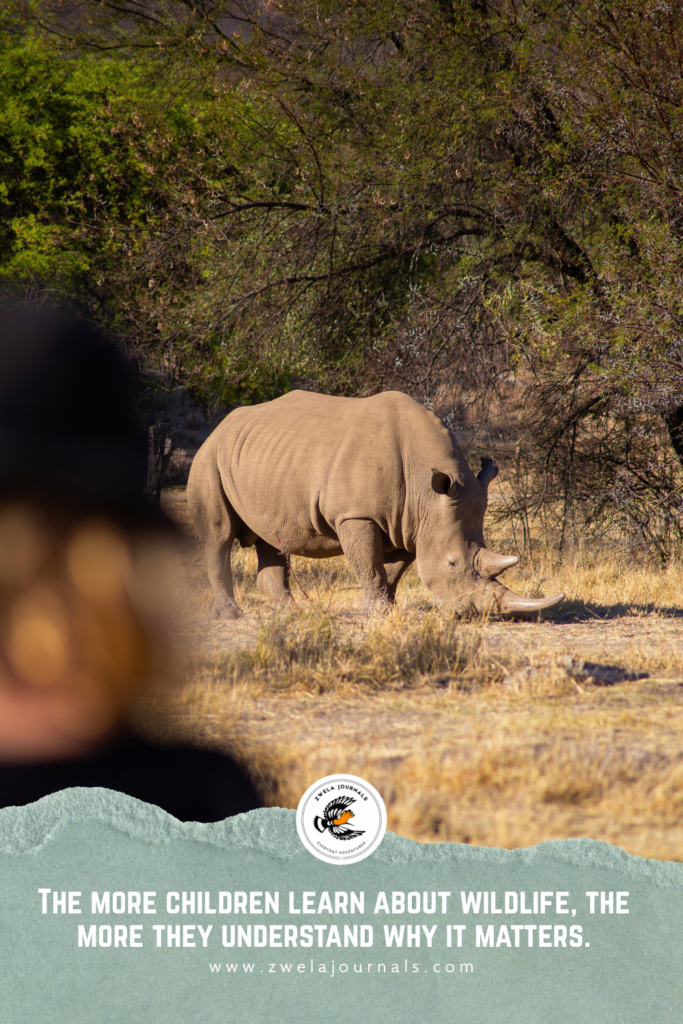
There are now around 26,700 rhinos left in the wild. Four of the five remaining species are threatened with extinction, while poaching and habitat loss continue to put pressure on populations.
But spend time around wildlife and you quickly realise that conservation is about far more than the animals themselves. It’s about the rangers out in the field, the communities living alongside wildlife, the scientists and conservationists working behind the scenes, the educators finding ways to make children care about a place they may have never even visited.
That last part especially matters to us, and is something we have taken straight into all of our journals.
Every Zwela journal has a local expert, an inspiring women in conservation that is making a difference.
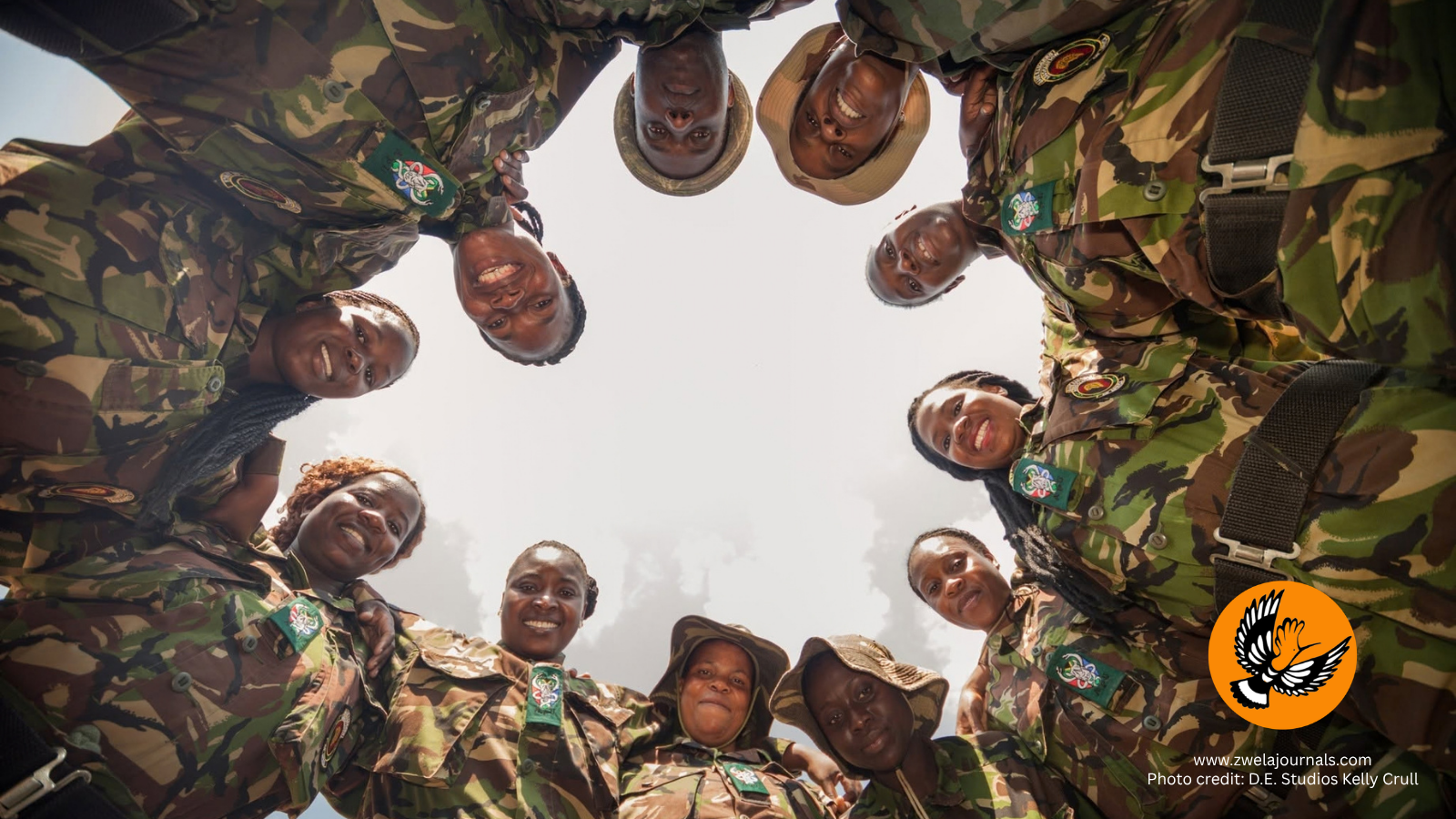
In our African Safari Journal, that’s the Black Mambas: the world’s first all-female anti-poaching unit, founded in South Africa in 2013.
Meet the Black Mambas
The Black Mambas patrol in the Greater Kruger landscape, looking for snares and signs of illegal activity, monitoring wildlife and working with local communities around the protected areas.
They spend very long hours out in the bush, reading tracks, checking fences, looking for anything that shouldn’t be there and keeping an eye on the wildlife around them. They know the landscape, they know what to look for and they know that a day in the bush can bring anything from a herd of elephants to a dangerous encounter.
They have become known not only for their patrol work, but for the role they play in showing what women can do in conservation. Their work is also closely connected to the communities around the Greater Kruger, where protecting wildlife has to involve the people who live alongside it.
There is something pretty extraordinary about seeing a group of women choosing to spend their days out in the bush, protecting rhino and other wildlife. It is difficult work, it takes courage, and they keep turning up and doing it.
Their work also helped inspire the Bush Babies Environmental Education Programme, giving children from communities around the Greater Kruger the chance to learn about wildlife through schools, outdoor experiences and hands-on conservation.
Our South Africa Adventure Journal features Lewyn Maefala, who leads the Bush Babies. Lewyn joined Transfrontier Africa as a student in 2015 and, after seeing the work of the Black Mambas, recognised just how important environmental education was for the communities around the reserve. Bush Babies grew from that idea.
These are the stories we want children to know, the incredible, inspiring women leading teh way in conservation, and in doing so inspiring the next generation to do the same.
“Conservation” can sound like a huge, distant idea. But introduce a child to the people doing the work, show them where they work and what their days actually look like, and suddenly it becomes much easier to understand.
They can ask questions and find out more. They can start to see that protecting wildlife is something real people are doing, every day. And that the responsibility of the future and conservation is in their hands too.
So this World Rhino Day, talk to your kids about rhinos. Look at where they live, find out what threatens them and why. Then look for the people doing something about it.
Because protecting the planets wild places isn’t one person’s job.
It takes a village.