Category: Stories & Community

  • Las Bardenas Reales by Campervan: Our Family Adventure in Spain’s Desert

    Las Bardenas Reales by Campervan: Our Family Adventure in Spain’s Desert

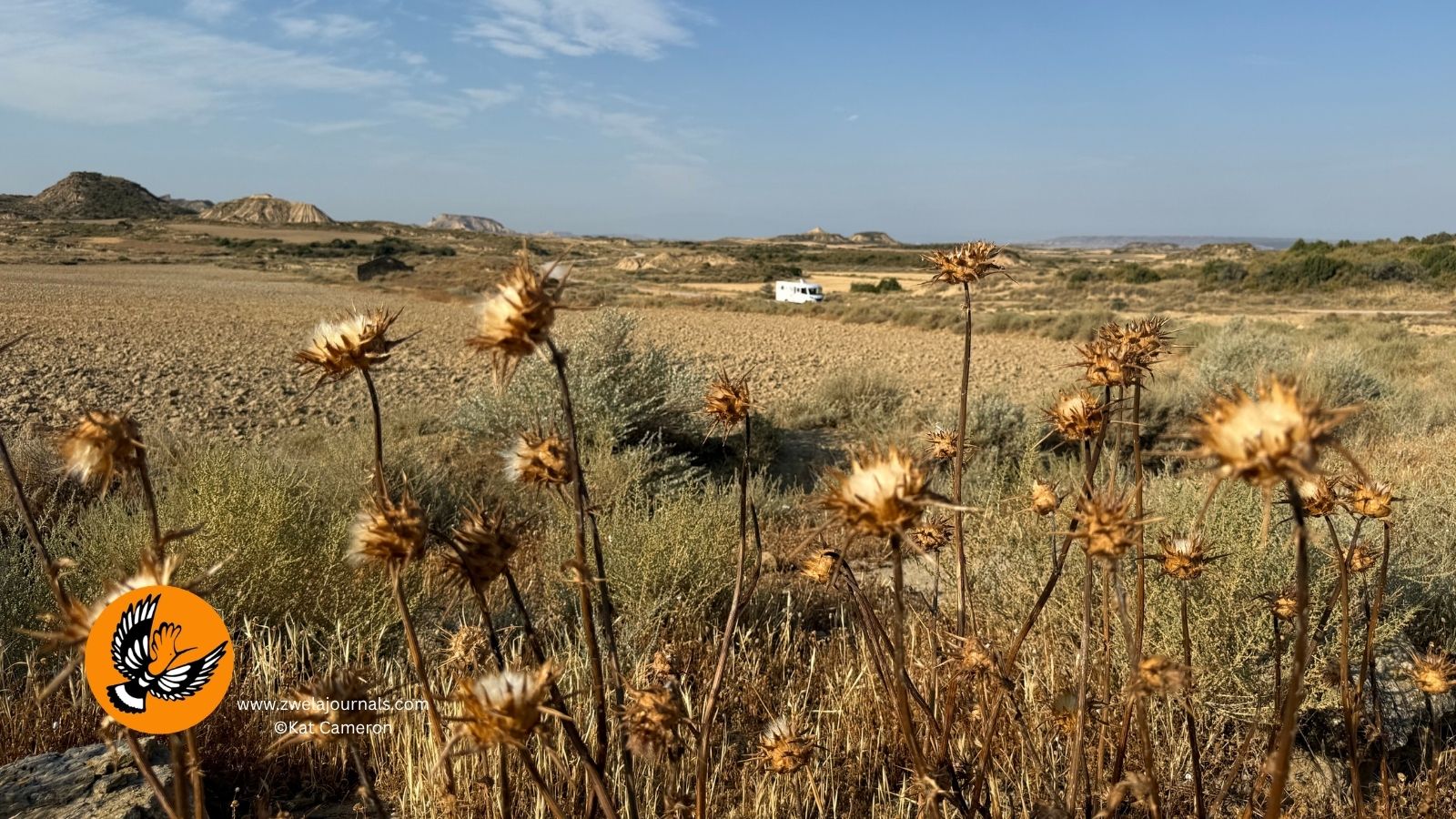
    The rocks look as if they have been painted with tiger stripes of red and gold, as the sun slowly sets over the Bardenas Reales. The wind gusts the grasses and dried weeds, as a flock of larks burst out of the brush, flying low over the road ahead. It’s quiet, apart from our rattling campervan, as we enter the natural park, and wind our way down further into the Bardenas Blancas. In the distance we can see the famous Castildetierra…  and as we traversed the plains, we felt like banditos at the end of a grand escapade! Come read our story, and discover what happened to us at our wild camping spot in Europe’s only desert and why it made a hilarious Adventure journal entry!! (or scroll to the end for the TLDR)

    Las Bardenas Reales by Campervan: Our Family Adventure in Spain’s Desert Landscape

    After ten days exploring Northern Spain by camper van, we were heading south from Santander towards our final stop before returning to Barcelona. We had been choosing stops that offered something interesting for everyone. Sometimes that meant landscapes, sometimes wildlife, a lot of fishing spots, and sometimes just somewhere that felt like an adventure. Bardenas Reales ticked many boxes: an unusual landscape, the chance to explore somewhere completely different, and, importantly for our family, some excellent birdwatching opportunities.

    Our route south took us first to Salto del Nervión, famous for being Spain’s highest waterfall, with an impressive drop of around 222 metres.

    When we visited in summer, the waterfall was completely dry. The viewpoint itself however, is spectacular. Standing at the edge of the limestone cliffs and looking down into the valley below is not for the faint-hearted, and even without the waterfall flowing, the scale of the landscape is incredible, and for me, somewhat vomit inducing!

    While it might sound disappointing to visit a waterfall with no water, the experience was still absolutely worth it. The walk  to the falls was beautiful, taking us through a much more forested landscape than we expected. We kept our eyes open for woodpeckers, and the karst limestone springs along the route were full of life, with frogs, toads and newts making the most of the water that remained.

    The real surprise, however, was above us.

    The cliffs attract soaring birds, and we were lucky enough to spot two different species of vulture. The Griffon Vultures were impressive as they circled overhead, but seeing an Egyptian Vulture was a real highlight. It was an unexpected wildlife encounter and a great start to what would become one of our favourite stops of the trip.

    From there, we continued south towards Navarra and the strange, otherworldly landscape of Bardenas Reales.

    Arriving at Bardenas Reales for Golden Hour

    We timed our arrival perfectly, reaching the park just before golden hour and sunset. We had read online that the park closes in the evening, but when we arrived, it didn’t really seem that way. There were still plenty of cars driving through the area, and photographers were setting up in the best locations to capture the last light hitting the rock formations.

    And honestly, we understood why. The colours changed constantly as the sun dropped lower, turning the landscape into something completely different every few minutes.

    Exploring Bardenas Reales by Campervan

    One of the questions we had before visiting was whether exploring Bardenas Reales by campervan would be practical. Our camper van is just over 7 metres long, so we weren’t exactly travelling in a small vehicle. Thankfully, it was absolutely fine.

    The park is relatively compact, and the main routes through Bardenas Blancas are easy enough to navigate, even in a larger campervan. The roads are mostly gravel, though, so it is definitely worth taking your time. The surface is not difficult, but it is bumpy and very rattly. Your van will be noisy. Everything inside the cupboards seemed determined to remind us that it was there!

    The slower pace actually suited the landscape though. This is not somewhere you want to rush through. Every corner brings another view, another strange rock formation, or another opportunity to stop and look.

    One of the unexpected advantages of exploring in a campervan was the height. Sitting higher than a normal car gave us a much better view across the plains, which was fantastic for spotting wildlife.

    And wildlife was one of the reasons we had chosen Bardenas Reales in the first place.

    Birdwatching in Spain’s Desert Landscape

    One of the great things about travelling as a family is that the things you initially think might appeal to only one person often end up becoming something everyone gets involved in. Our son had a few target birds he was hoping to find, and suddenly every drive through the desert became a reason to stop, scan the horizon and check the rocks.

    One of the speciality birds of the area is the Pin-tailed Sandgrouse, and we were lucky enough to spot one.

    The incredible thing was just how well camouflaged he was. Against the sandy colours of the landscape, he almost completely disappeared. Even when we knew exactly where he was, it was amazing how quickly he blended back into the surroundings.

    We also spotted lots of little Red-legged Partridges running around, often followed by tiny chicks. Watching them hurry across the tracks was one of those small moments that makes exploring slowly worthwhile. Of course, there was one bird we were really hoping to see: Owls.

    We had chosen Bardenas Reales partly because of the possibility of seeing Little Owls, but our first evening search didn’t produce anything.

    We would have better luck the next morning.

    Our Wild Camping Attempt in Bardenas Reales… and the Mosquito Apocalypse

    Throughout our trip through Spain, we had mostly been wild camping. We had used apps to find recommended overnight stops, mixed with plenty of Google Maps detective work and a bit of intuition. It does take some getting used to.

    In Spain, sleeping in your vehicle is generally permitted as long as you are not showing signs of “camping behaviour”. That means no chairs and tables outside, no awnings extended, no campfires, no towels or shoes left outside, and no taking over or obstructing an area. We had found some fantastic places this way.

    For this particular night, we found what looked like a beautiful spot with a backdrop of the striped hills, just outside the natural preserve of the Bardenas Reales. It was exactly the kind of place you imagine when you picture travelling by campervan.

    We had just parked, taken a tiny stroll around to check out the spot and started making dinner when the APOCALYPSE struck.

    Over a bazillion gazillion mosquitoes swarmed us. It was bonkers. They were bashing themselves against all of our mosquito nets, on every window and door. We couldn’t believe our eyes.

    And then they started getting through the netting.

    The ceiling was quickly covered in mosquitoes. We were swatting them like crazy, but they just kept coming. It was impossible to keep up. We hurriedly finished our dinner while battling mosquitoes until eventually we were completely inundated and hopelessly outnumbered.

    We gave in.

    Our beautiful wild camping spot was abandoned, and we headed off in search of somewhere else to sleep.

    The Unexpected Winner: Arguedas Camper Area

    Thankfully, we didn’t have far to go.

    We headed to the Área de Autocaravanas in Arguedas, and it turned out to be a fantastic place to spend the night.

    Although it was busy during the summer holidays, it was actually a brilliant overnight stop. It is free unless you want access to the swimming pool, and after our mosquito disaster, the most important thing was that it was completely mosquito-free. There was a lovely breeze when we visited, although I obviously can’t guarantee that will always be the case.

    The best part, though, was the view.

    The camper area looks towards the unique cave houses built into the sandy hills around Arguedas. These unusual homes are fascinating to explore and were another unexpected highlight for the kiddo.

    Looking back, this stop was actually better than our original wild camping plan in many ways. It was close to Bardenas Reales, easy, comfortable, and gave us a great base for our early start the next day.

    Later, we realised exactly why our original parking spot had been such a disaster.

    We had parked right next to a rice paddy. Mystery solved.

    In hindsight, arriving somewhere completely new at dusk is probably not the ideal time to find an overnight spot, but being adventurous is part of what makes travelling by campervan so much fun. Sometimes the places that go wrong become the stories you remember most.

    Sunrise in Bardenas Reales

    After a great night’s sleep (and a wonderfully level parking spot!), we were up before sunrise and headed back into Bardenas Reales.

    This time, we were almost completely alone. Again, there were no sign of any closed gates despite lots of online places saying the natural reserve only opened at a specific time.

    There were no crowds, no photographers, and no other vehicles exploring the park. Just us, the desert, and the slowly changing morning light. Watching a huge ball of orange fire rise above the rocky landscape was incredible. The strange formations that had looked dramatic the evening before now appeared completely different in the soft morning light.

    But we had one thing we were hoping to find: Little Owls.

    And this time, we were lucky. We spotted around four Little Owls perched on the ruins of old shepherds’ huts, perfectly silhouetted against the morning sky. It was one of those moments that makes travelling worth it. A bird we had never seen before, in a landscape we had never explored before, together as a family. Another amazing tick in our Adventure Journal.

    Slowly, we drove back through the desert in our home on wheels and began the final journey back towards Barcelona.

    Is Bardenas Reales Worth Visiting With Kids?

    Absolutely.

    For our family, Bardenas Reales worked because there was something for everyone. The landscape was fascinating, the camper van adventure made it feel like an expedition, and the wildlife turned every drive into a discovery.

    There are plenty of hikes and bike routes in the area, but during summer it is worth keeping walks short because it can get incredibly hot and there is very little shade. Some areas of the park are also sensitive nature reserves, protecting nesting Eagles, owls, vultures and other wildlife. These areas are often only accessible by hiking, and some distances may not be suitable for younger children.

    For us, simply driving around the park was the perfect way to explore. The height of the campervan gave us fantastic views and made birdwatching much easier.

    We would absolutely wild camp again during future travels through Spain. It remains one of our favourite ways to explore, especially because in many areas it is possible to do so responsibly. The important thing is always to leave places exactly as you found them. Don’t leave rubbish behind, and if you see litter that someone else has left, picking it up helps protect these beautiful places for everyone.

    Would we recommend one night in Bardenas Reales? Definitely.

    One night is enough to experience the magic, especially if you can enjoy both sunset and sunrise. If you have more time and want to hike, cycle or spend longer birdwatching, two nights would allow for a slower visit.

    For us, Bardenas Reales was the perfect final stop: a little bit wild, a little bit unpredictable, and full of the kind of family memories that make travelling by campervan so special.

    TLDR:

    Bardenas Reales Campervan Highlights: Quick Guide

    • Can you drive around Bardenas Reales in a campervan? Yes. Even a 7-metre campervan is fine; expect gravel roads and a bumpy ride.
    • Is Bardenas Reales worth visiting? Definitely. The landscapes and wildlife are incredible.
    • Is Bardenas Reales good with kids? Yes. Great for exploring, wildlife spotting and adventure.
    • Can you stay overnight inside Bardenas Reales? No. Stay nearby instead.
    • Where should you stay near Bardenas Reales? The Área de Autocaravanas in Arguedas is our recommendation, especially in summer, with a pool and easy access. Also try Cabanillas Area de Autocaravanas for shady camping.
    • Should you wild camp near Bardenas Reales? Yes in cooler months; in summer, beware of mosquitoes.
    • Is wild camping legal in Spain? Generally yes, if you are parked legally and not “camping”.
    • Is Bardenas Reales good for birdwatching? Yes. We spotted owls, vultures, sandgrouse and partridges.
    • How long do you need in Bardenas Reales? One night is enough; two gives you more time to explore.
    • Would we return? Absolutely. It was a highlight of our Spain campervan trip.
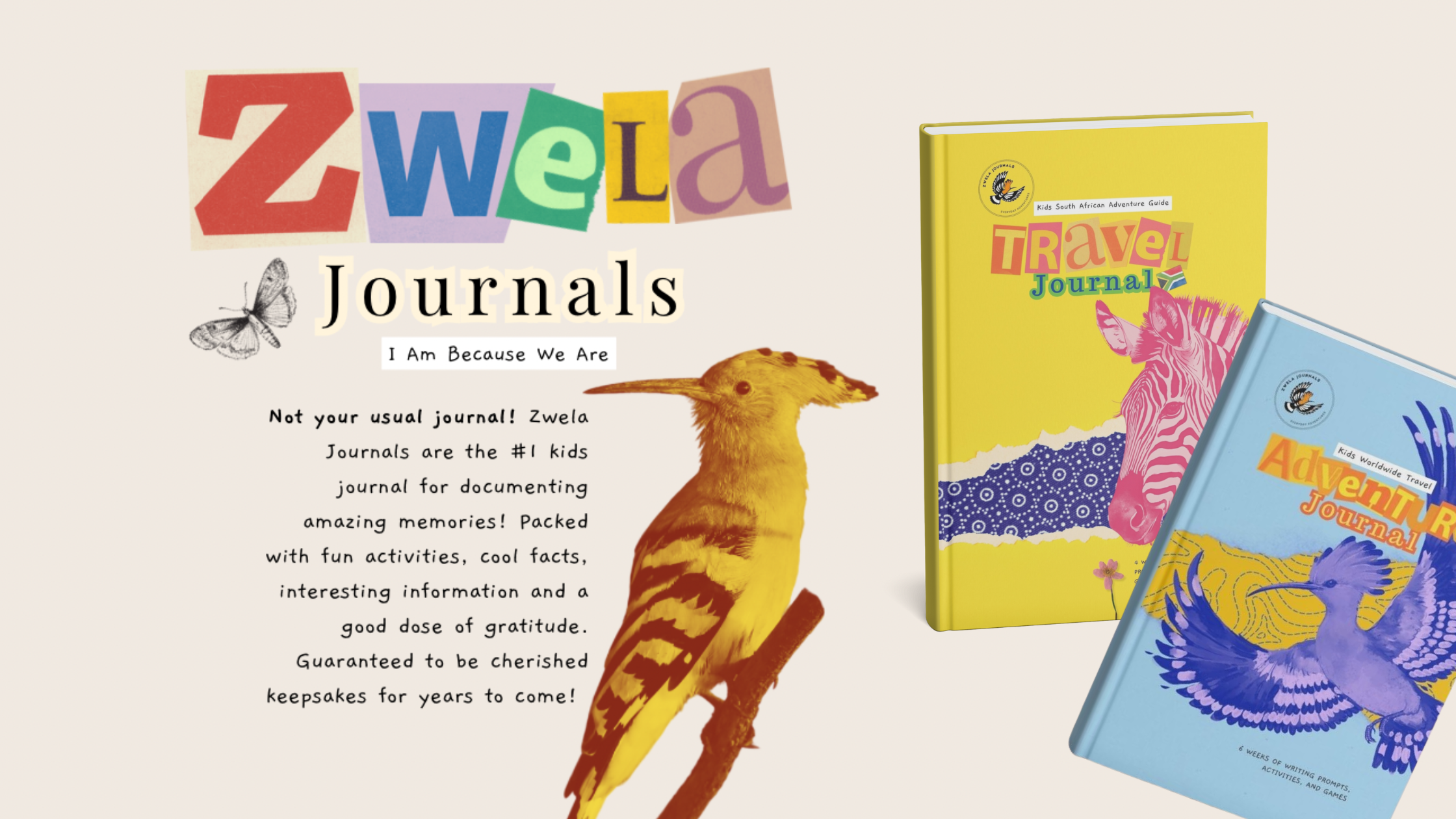
    • Take a Zwela Journal Adventure journal and learn all about desert adventures!

    Map of the Bardenas Reales

    Our route took us from Arguedas along the Bardenas Blanca road, past the rock formation known as the Castildetierra, and then we turned up via the Bardena Alta and exited at the top of the desert.


  • Botswana Travel with Kids: Meerkats, quad bikes and a night on the Makgadikgadi Pans, the #1 Adventure

    Botswana Travel with Kids: Meerkats, quad bikes and a night on the Makgadikgadi Pans, the #1 Adventure

    The adventure, followed by logistics & tips at the end.

    During our family self-drive trip through Botswana, we decided to splurge on the Planet Baobab meerkat and Makgadikgadi Pans overnight experience. It wasn’t cheap, and we spent a long time wondering whether it would be worth it.

    Spoiler alert: it absolutely was! This would become our the best Botswana travel with kids experience!

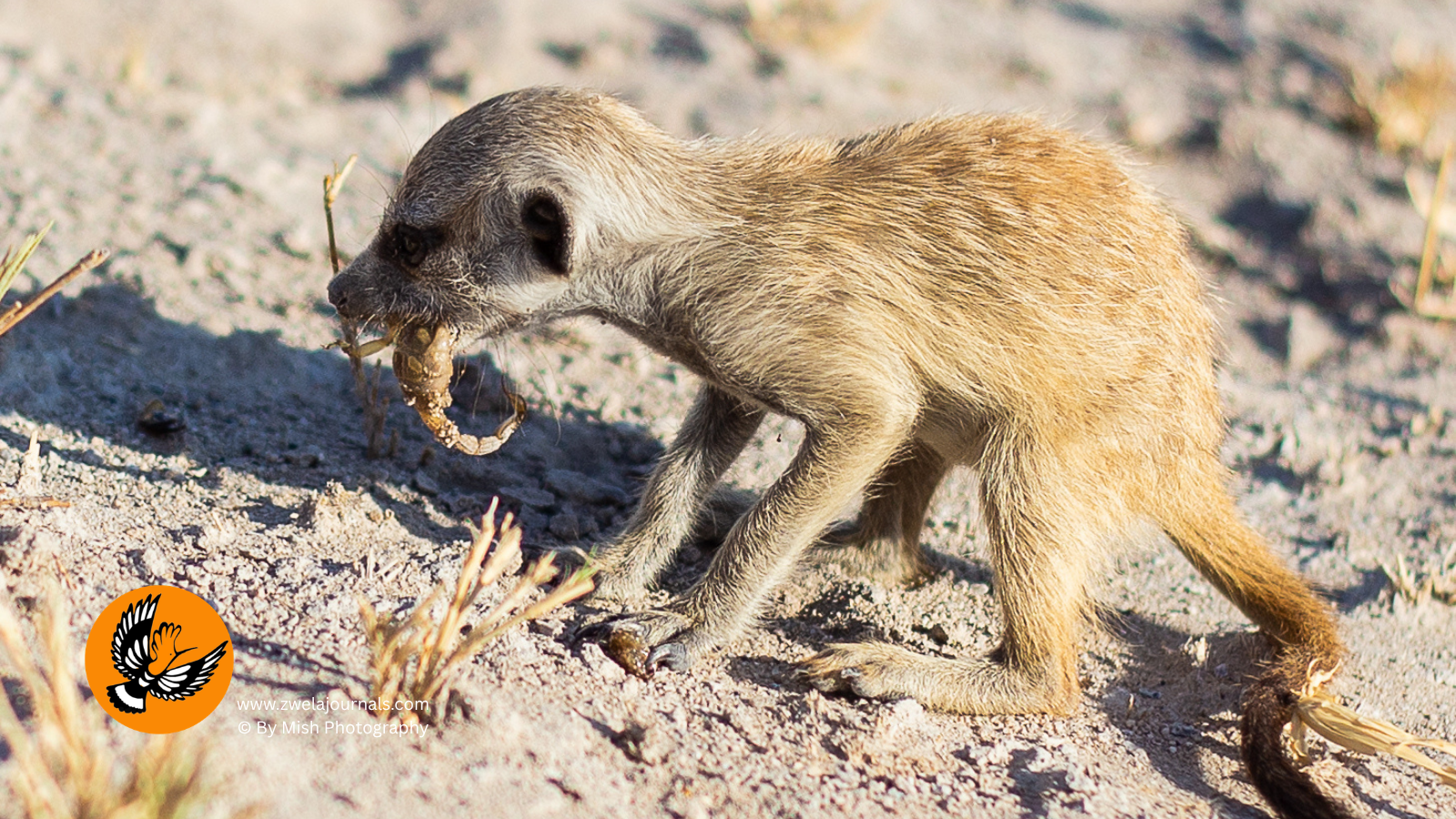
    adventures with kids in Botswana  Sitting on the dry earth, less than two feet from a family of meerkats as they dug up and devoured scorpion after scorpion, was not how I imagined spending my morning. If you’d ever asked me whether I would happily sit on the ground while scorpions were being pulled from the very earth beneath me, I would have laughed and said absolutely not. Yet there I was, completely captivated. The meerkats were finding scorpions everywhere! The landscape looked barren,  just dry grass and dusty earth stretching into the distance,  but beneath the surface was a hidden world teeming with life. It was a lesson in noticing. Looking around, I would never have guessed how many scorpions were living just a few digs below the ground.

    It after seeing the twentieth scorpions crunched down that I decided I wasn’t technically sitting *in* the earth, merely *on top* of it. And at the rate the meerkats were eating the scorpions, it would be incredibly bad luck if one escaped and wandered over to investigate me. Planet baobab meerkat experience with kids, family travel in Botswana    Our adventure began with an open 4×4 ride from Planet Baobab Campsite. Along the way, our guide stopped to tell us about the baobab trees scattered across the landscape. We drove on dusty roads, seeing hardly another vehicle, or person, with the wind in our hair and the growing excitement of the adventure ahead. Our first stop was to meet a mob of habituated meerkats. I’ll admit, I was initially hesitant by the words “habituated”. I don’t enjoy seeing wild animals fed or tamed for tourism, but thankfully, that wasn’t the case here. Habituated simply meant the meerkats were used to people being nearby and carried on with their lives completely unfazed by our presence. After a quick briefing on meerkat etiquette – don’t touch, don’t disturb, don’t make too much noise – we walked out onto the dry grassland.

    At first, we spotted just a few meerkats. Then more appeared, and more. They seemed to be everywhere. And they all seemed to be furiously digging. At first it was simply cute, until we realised what they were digging for. Scorpions, lots of scorpions.

    Adventure with kids activity Botswana, Planet Baobab sleep-out on the pan. self drive with kids in Botswana

    I lost count of how many were unearthed and promptly eaten within a few feet of where we were sitting. It was fascinating, slightly alarming, and completely unforgettable all at once. We spent about an hour with these incredible little animals before climbing back into the 4×4 and heading off to the next stage of our adventure. A short drive later, we arrived at a small village where a line of quad bikes was waiting for us. After a quick safety briefing, we set off across the Makgadikgadi Pans. And wow. We’ve travelled to some incredible places, but there is something very special about driving across one of the largest salt pans in the world. The space feels endless, the horizon stretches forever, and it genuinely feels as though you’ve driven into the middle of nowhere.

    quad biking salta pan botswana, family trip Africa, Travel with kids Africa, Safari with kids, Botswana self-drive, activities with kids We sped across the pan, taking it all in, with the occasionally mouthful of dust when the wind changed direction. We quickly learned the importance of keeping a healthy dust-distance from the bike in front. The feeling was exhilarating, freedom, open space, and adventure in every direction. By late afternoon we arrived at what was to be our camp for the evening. camp out with kids in botswana, self drive iin Botswana, family travel A simple canvas toilet stood off to one side, just four canvas walls, no roof, just views for miles. A fire was being lit, and a table was set for dinner. Our roll mats had been laid out around the edge of camp beneath the open sky. As we settled in with an ice-cold drink and chatted around the fire, the sun began to sink below the horizon. Dinner was a delicious three-course meal cooked in the middle of nowhere, somehow tasting even better because of where we were. sunset in botswana family safari  Then the stars appeared, and appeared, and didn’t stop appearing… With no light pollution for miles, the sky filled with more stars than we had ever seen. The Milky Way stretched overhead while the campfire crackled below. It was one of those moments where nobody reaches for a phone because everyone is simply taking it all in, and there was definitely no reception out in these parts.

    These are some of my best moments, a true disconnect where you phone merely becomes a camera. Being August, the night was chilly, but hot water bottles had been tucked into our beds – beds are a roll mat with sleep bag in one. They were super comfy and cozy, and under a blanket of stars we happily fell asleep. The next morning we woke to the sun rising over the pans. Fresh coffee was brewing, muffins were waiting, and one of the guides was strumming a guitar as the first light spread across the landscape. Honestly, I couldn’t have imagined a more perfect start to the day.

    After coffee we climbed back onto the quad bikes and made our way back across the pans to the village. Dust-covered and smiling, we transferred back into the 4×4 for the journey to Planet Baobab. A hot shower, a proper cooked breakfast, and a refreshing swim in the pool were waiting for us. The perfect ending to an unforgettable adventure.

    So, was it worth it? Without a doubt.

    This experience combined everything we love about family travel: wildlife, adventure, learning, wide-open spaces, and those magical moments that become family stories for years to come. Who knew that sitting on the ground watching meerkats eat scorpions would become one of our favourite family travel memories?

    It’s exactly the sort of unexpected moment that deserves a place in the kids travel journal – and it took pride and place in their Travel Journal! Journal entry alongside some excellent artwork of the scorpion buffet! The ultimate in Botswana travel with kids. As a family we realised that some of our best memories are made send out in nature, another favourite was our night of camping at Baines Baobabs, and if you find yourselves self-driving this amazing part of the world we highly recommend you add this to your itinerary! Two totally different experiences and both incredible!  

    Logistics & tips

    Getting There: Planet Baobab is located near Gweta in Botswana, on the edge of the Makgadikgadi salt pans. It is usually reached by road from Maun (about 2.5–3 hours’ drive) or from Nata (around 2 hours’ drive). The sleep-out experience departs from Planet Baobab’s main lodge.

    Bookings: Book directly with Planet Baobab

    Best Time to Visit: The best time for a sleep-out on the Makgadikgadi Pans is during the dry season (roughly May to October). Skies are clear, temperatures are cooler at night, and the vast salt pans are fully accessible. Full moon nights are especially magical, as the landscape glows silver and you can often see the Milky Way stretching across the sky.

    What to Pack:

    • Warm layers (it gets very cold at night, even after hot days)
    • Light, breathable clothing for daytime
    • Closed walking shoes or boots
    • A beanie or hat and warm socks for night
    • Sunscreen, sunglasses, and lip balm (the sun is strong)
    • Head torch or small flashlight
    • Camera for sunrise and sunset shots, the light is dreamy and the meerkats too cute!
    • A sense of adventure (essential!)
    • Zwela Travel Journal – to capture and reflect on the adventures

    Travel Tips:

    • The sleep-out experience is very remote –  no lights, and total silence.
    • Bring extra warm clothing for sleeping under the stars.
    • Go with an open mind, and ready for adventure! The stars here are some of the clearest!
    • Book in advance as it’s very popular.
    • If you are on the fence, don’t think twice, just book it! 🙂


  • The Magical Legends of Barcelona’s Gothic Quarter

    The Magical Legends of Barcelona’s Gothic Quarter

    There is a magical place in Barcelona where the streets seem to whisper. 

    Not loudly, just enough to hear the tales of the past. Barcelona’s Gothic Quarter is full of stories that are tucked into stone walls, carved into cathedral rooftops, hidden beneath bridges, and buried under centuries of footsteps. Don’t walk too quickly, or you may miss all these hidden treasures. Slow down, look up, and listen closely; the old city begins to speak ancient languages to you. 

    If you want to find yourself in the oldest parts of Barcelona, you can’t miss the Gothic Quarter. Long before the narrow medieval streets and shadowy balconies, this was the Roman city of Barcino. Its walls, temples, and foundations still remain if you look close enough. 

    The Roman walls, temples, and foundations still remain, buried beneath the modern city, just waiting to be noticed like lost treasure that doesn’t want to be forgotten. 

    If you are traveling with kids, the magical legends of the Gothic Quarter in Barcelona make the old city feel less like a history lesson and more like a real-life storybook adventure.

    So this is where our tale begins 

    The Magical Legends of Barcelona's Gothic Quarter

    The Guardians of the Kingdom 

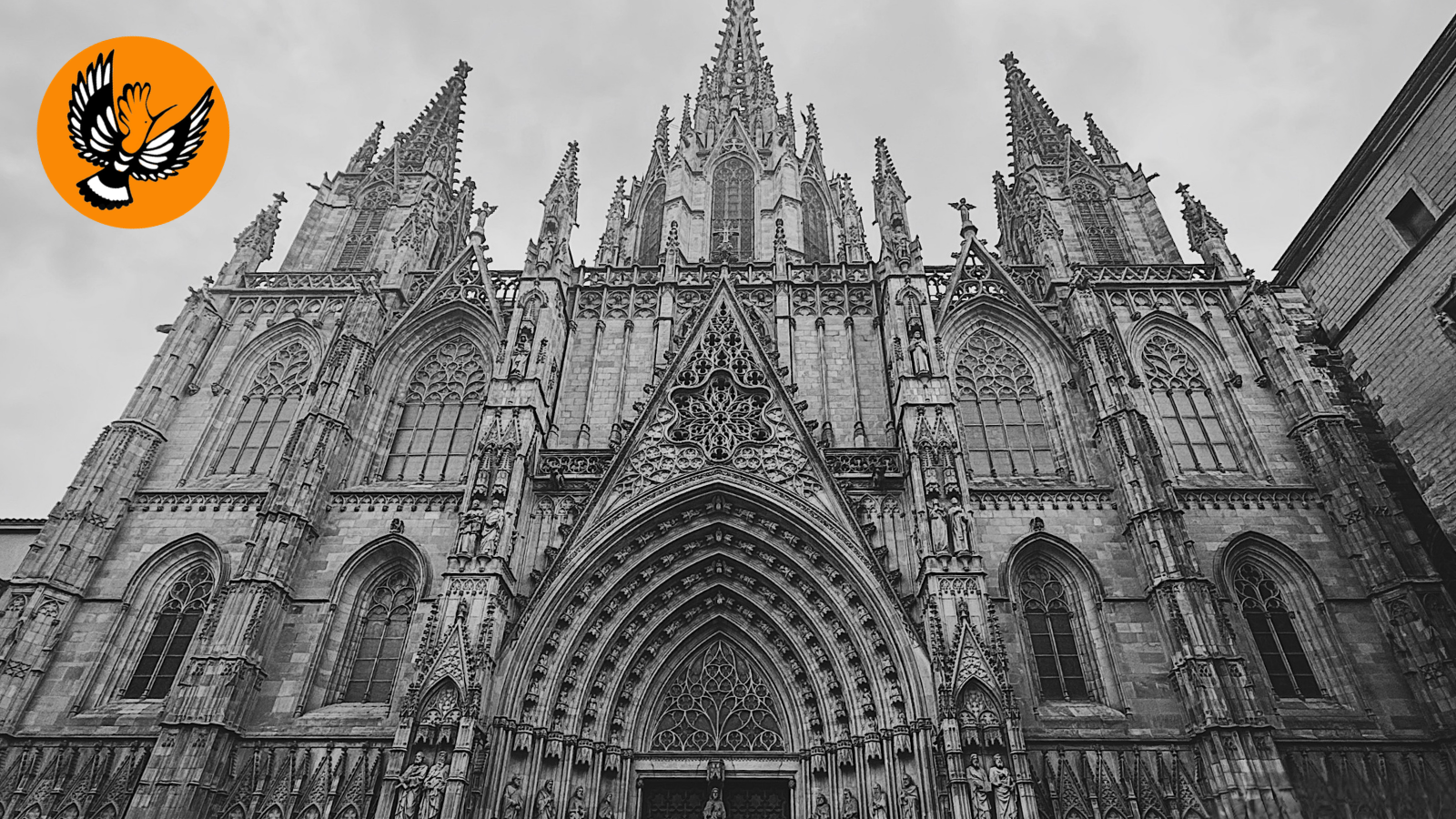
    Every fairytale needs a castle, and in the Gothic Quarter, the Barcelona Cathedral appears as the perfect fairytale castle. 

    It is the heart of the Gothic Quarter; everything else functions around it. It was built mainly in the 13th and 15th centuries. Standing before it, you feel the history buzzing beneath you, like a time capsule that has been left open for all to see. It makes you seem so small, maybe due to the stone work, but I think it’s because of the time that has taken place here. 

    But do not only look at eye level.  

    Look up. 

    Perched atop its walls, the cathedral’s gargoyles crouch along the rooftops on their pedestals. There are around 200 different gargoyles watching over the Cathedral, including not only monstrous figures but also animals like a bull, an elephant, a goat, and everyone’s personal favorite, a unicorn. 

    The unicorn is especially popular for children, so try to help them spot it; it does not simply announce itself. It waits for the careful observer, the person willing to search the stone sky for something magical. 

    I got the privilege of seeing the gargoyles used for their true intention of moving rainwater away from buildings. These creatures seem to spit rainwater from the cathedral walls, as if the old monsters are still alive and displeased with the world below. 

    The 13 Geese of Saint Eulalia 

    Step inside the cathedral cloister, and the mood instantly changes from moody to lively. 

    The noise of the city softens. Palm trees and magnolias grow in the courtyard, and in the center, 13 white geese reside at all times. 

    The number is not random. 

    The geese are a living reminder of Saint Eulalla’s story, who died at the age of thirteen. Turning the cloister into something between a garden, a memorial, and a quiet fairytale scene. Their white feathers glide across the dark water, adding a sense of peace to the world around them. 

    The Mysterious Turtle Mailbox

    Who doesn’t want a mailbox as cool as the Archdeacon’s featuring a good luck turtle? 

    On the outside of Casa de I’Ardiaca is a carved marble mailbox designed in 1895 by architect Lluis Domènech. It features swallows, ivy, and a tortoise. There is plenty of symbolism in this design meant to represent justice: the swallows are a suggestion of freedom and speed, the ivy represents a tangled bureaucracy, and the tortoise shows how slowly justice can move. 

    The birds want to fly, but the ivy traps them. The turtle moves slowly, almost going undetected beneath. 

    It is said that if you touch the head of the tortoise, it may bring good luck. Whether or not the luck is real, the turtle is a symbol of hope that better days are to come. 

    When I went to visit the lucky turtle, no one even noticed the free luck; they continued to walk past. It wasn’t until I went up and took a picture of the mailbox for those around me to understand the luck they have given up on. Another reminder to look around and go off the beaten path of the ones around you. 

    Hidden Stories Families will Love

    Do you dare to pull the Dagger Out?

    The most mysterious sight in the Gothic Quarter is Pont del Bisbe, or the Bishop’s Bridge.  

    At first glance, the bridge looks ancient, like a medieval fantasy, joining two buildings together. I hate to burst your bubble, but the bridge is not medieval at all. It was built in the 1920s by architect Joan Rubió i Bellver, a disciple of Antoni Gaudí.

    That’s the true magic of the Gothic Quarter: it has a way of turning even newer things into legends. 

    If you dare to walk under it and look up. Hidden beneath the arch is a skull pierced by a dagger. Many believe the skull to be cursed in hopes of cursing anyone who walks underneath. 

    Another legend says that if the dagger is ever removed, all of Barcelona will fall. A gentler version says that if you walk backward under the bridge while making a wish, it may come true. Fact or myth? This story adds a magical aura around the bridge, drawing thousands to marvel at the site. 

    This is where the Gothic Quarter feels most like a fairy tale with a dark twist. 

    The bridge makes you feel as if you are being watched by the one who haunts it. 

    Find yourself a King or Queen

    Not so far away, the streets open into Plaça del Rei, the King’s Square. 

    This square feels quieter than it should, where even the stones seem to hold their breath. The moment you enter the square, it feels as if you have time-traveled to the medieval past of the city. It was once connected to the Palau Reial Major, the royal palace, which was once the residence of the Catalan counts. 

    There is even more history located beneath the courtyard are traces of Roman Barcino. 

    I strongly encourage looking deeply into the architecture of the square, or you might miss small hidden details. There is leftover royal imagery and stained glass connected to the Prince and Princess. Whether you find it quickly or not, that is part of the magic. Plaça del Rei rewards patience. 

    This isn’t just a square you simply visit. 

    It is a square you enter that takes you right into the memory of the medieval city. 

    The Roman Ghost Beneath the Gothic City

    Before, Barcelona was known for its famous architecture; it was a Roman city. 

    The city of Barcino was known for the Temple of Augustus. Which is now hidden inside a medieval courtyard on Carrer Paradís, where four tall columns still remain. There are still defensive walls from the city of Barcino that have been built into the Medieval city. 

    These columns are more than 2,000 years old and are all that remains of the Temple of Augustus, built in the 1st century BC. When you stand beneath them, you feel like an ant waiting to get crushed by the pillars above. 

    Four Roman columns, standing quietly inside the Gothic Quarter, as if the ancient city is still holding up the modern one from beneath. 

    Long before tourists wandered its alleys, Roman soldiers, merchants, and families lived within these walls. Parts of the ancient defensive structure still rise through the neighborhood, especially near the cathedral and around the old city center. 

    This is where the true magic of Barcelona lies because every century is still there, layered on top of the one before it. 

    It is not one city.

    It is many cities stacked together.

    A FairyTale Walk Through Barcelona

    Barcelona’s Gothic Quarter is a Living Fable

    The Gothic Quarter is spooky because of how real it is. 

    Its shadows come from history. Its legend grows from architecture, religion, war, empire, and stories. The gargoyles really do watch from the cathedral roof. The skull and dagger are really hidden beneath Pon del Bisbe. The Roman walls and columns have been left standing. 

    All of these legends make the Gothic Quarter feel like a fairytale. 

    Not because it asks you to believe in something untrue, but because it shows you that real places can still feel enchanted. 

    Do not rush the Gothic Quarter; let it show you the way. 

    Look up for unicorns. 

    Touch the turtle for luck. 

    Dare to step beneath the skull and dagger. 

    Remember that every stone has a story, and there is history happening right below you. Some of those stories are still watching from the dark. 

    Don’t forget to journal the history that creeps up and finds you.

  • What You Need to Know About Ou com balla in Barcelona

    What You Need to Know About Ou com balla in Barcelona

    Know about Ou com balla before visiting Barcelona in late May or early June, because this centuries-old Catalan tradition is one of the city’s most magical hidden celebrations.

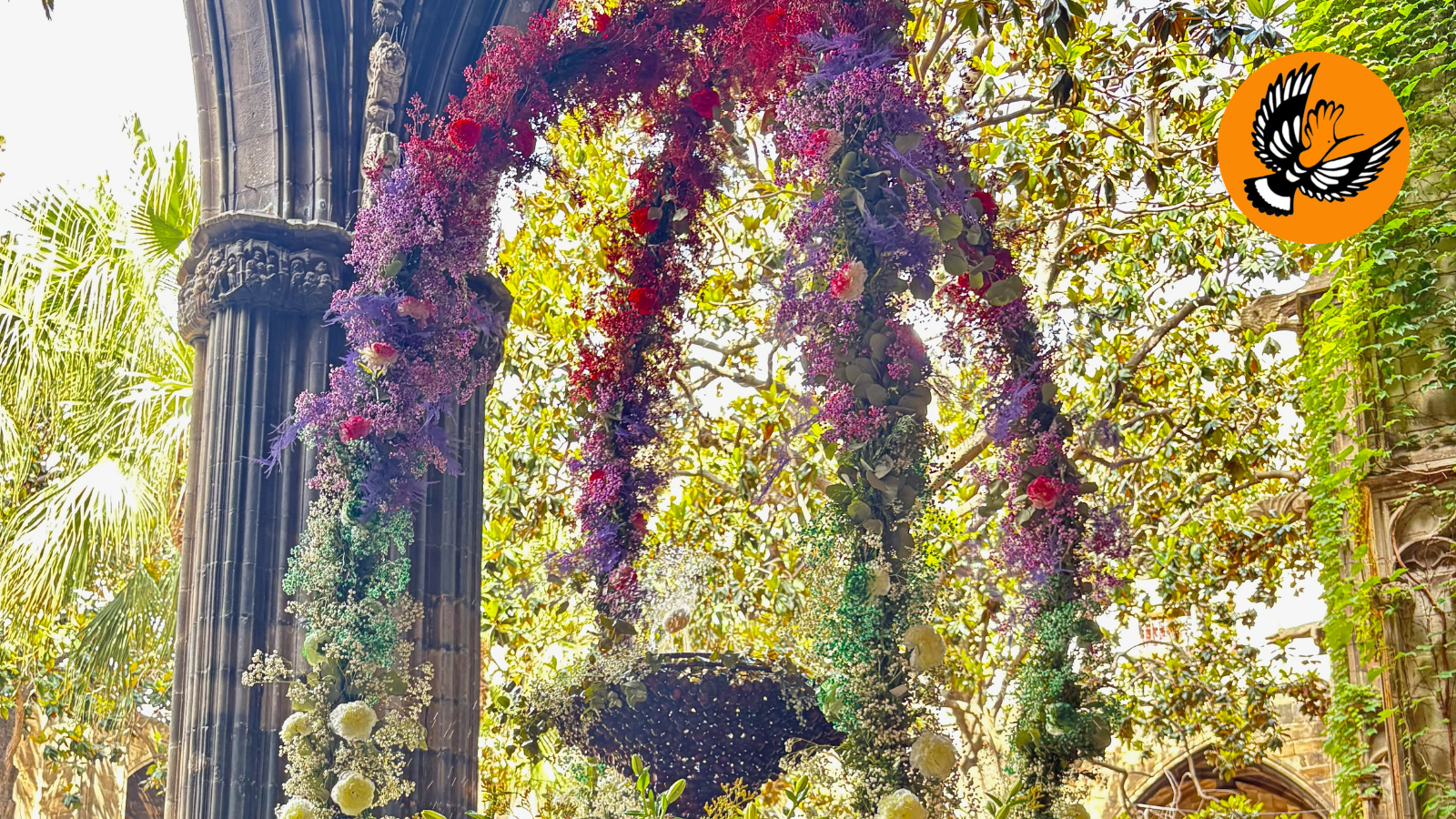
    On a warm day in late May or early June, if you find yourself wandering the Gothic Quarter of Barcelona. You will find yourself at a magical sight that only happens once a year, of an egg, balancing and dancing above a stream of water that is decorated with breathtaking flowers. It feels like you have uncovered an enchanted relic in a lost ruin that was once left behind by the queen herself. 

    To an outsider, it looks as though it is just another easter tradition, but it has a much deeper meaning than that. A tradition that goes back centuries of celebration, which was first documented in 1440.

     Ou com balla, Barcelona’s famous “dancing egg” tradition, is one of those celebrations that makes you stop for a moment and marvel with others at something as small as a dancing egg.

    This is what you need to know about Ou Com Balla before going and visiting it.

    What to Know About Ou Com Balla

    Ou com balla, which means “the dancing egg” in Catalan, is a centuries-old tradition celebrated around the Feast of Corpus Christi. You simply place a hollow egg on top of a stream of water and watch it dance above the lush spring flowers. 

    Over time, the custom spread beyond Barcelona and is now seen in different villages across Catalonia. Catching this sight in the Gothic Quarter feels especially meaningful because the narrow streets, old buildings, and flower-filled courtyards make the whole experience feel like stepping into an enchanted garden.

    This festival brings people together to remember the small things in life. It connects the natives and the tourists to the rich history of Barcelona. Reminding us all that there is a beauty to falling in that you never really fall, since you always find yourself right back up. 

    The History of the dancing egg

    The exact origin of Ou com balla is not completely clear, which is why it is so fascinating. There are many stories and interpretations of how it began. 

    One claims that someone noticed an eggshell balancing perfectly on a stream of a fountain. Ever since, the simple sight has grown into a yearly tradition. Another interpretation connects the dancing egg to religion, since it is celebrated around Corpus Christi. In this view, the tradition represents the Eucharist, with the egg symbolizing the body of Christ.

    I find the seasonal meaning to be the most true. Eggs have long been connected to fertility, rebirth, and creation. Flowers represent spring, growth, and renewal. Together, the egg and flowers become a beacon symbolizing the end of spring and the beginning of summer. The tradition feels like a celebration of life returning, changing, and continuing.

    After watching this tradition for the first time in person. I believe this tradition to be about appreciating the rebirth of something new. People from all over the world come to watch an egg dance on water. It doesn’t matter what religion they believe in; they are there to marvel at the idea of change being beautiful. 

    Even though people may explain its meaning in different ways, that is part of the beauty of Ou com balla; it is up to you to decide the meaning. 

    Where to See Ou com balla in Barcelona

    The most famous place to see the dancing egg in Barcelona is at the Cathedral of Barcelona, where the cloister fountain is decorated with flowers and cherries. The Cathedral serves as the birthplace of Ou Com Balla, and it is one of the most meaningful places to experience it.  

    These were my favorite viewing spots.

    • Palau del Lloctinent
    • Casa de l’Ardiaca
    • Front de Sant Jordi (Barcelona Cathedral)
    • Museu Fredric Marés

    The great thing about these 4 spots is that they are all within walking distance of each other.

    There is a map of all the spots in Barcelona where Ou com balla is celebrated.

    The trick to beating the crowds is to go right when they open, which for most is 9:30, but try to get there before so you are the first one there. It is also Barcelona, so there will be people viewing it regardless of the time. Try to go on the first day it opens, which is on Thursdays because many people want to witness it on Sunday.

    This year, I was lucky enough that it rained on the first day, and it scared many of the groups away. So if it does rain the day you want to see the egg, don’t be alarmed. The egg is still dancing, the flowers are still beautiful, and the rain almost makes the whole tradition feel even more magical.

    Ou com balla is one of Barcelona’s most unique traditions because it is both simple and meaningful. It has history, religious symbolism, seasonal beauty, and a little bit of mystery. Whether you see it as a celebration of Corpus Christi, a symbol of rebirth, or just a beautiful spring tradition, it is something worth experiencing.

    In a city as busy and full of movement as Barcelona, Ou com balla gives people a reason to pause. It reminds us that even the smallest traditions can carry centuries of meaning. And sometimes, the most memorable moments come from the simplest things: flowers, water, and an egg dancing in the middle of it all.

  • How Journaling Improves Memory and Learning in Kids

    How Journaling Improves Memory and Learning in Kids

    Parents are always looking for simple ways to help their children learn, remember, and express themselves. The most overlooked tool is actually the most affordable and easiest: journaling. Kids are constantly learning from the world around them, whether they are on a family trip, sitting in a classroom, reading from a book, or simply walking down the street. Journaling helps them pause and have time to make sense of what they felt, noticed, and learned. 

    Does writing really help kids remember and learn? The answer is yes, 100%

    It improves memory because it turns experiences into active reflection. By writing it down, they are forcing their brain to remember what happened. Journaling helps deepen learning because children are not just repeating information. They are making connections between new ideas and what they already know.

    As a kid, I hated writing in my free time becuase I was always writing so much for school assignments. I would constantly get critiqued for every little thing; it took the joy of writing away from me.

    When my mom brought home a journal with pre-made prompts and places to draw what I was thinking. A whole new world opened for me because I wasn’t worrying about the grade I would receive, the perfect spelling, or the format. This journal was for me and my own experiences, feelings, memories, and ideas. Now looking back at my old journals, I see all the memories I wanted my older self to remember so bad that I get to remember through my younger self.  

    Looking at my old journals from when I was little has taught me so much about myself. I have learned so much from my younger self. I can also see how much information I was absorbing at that specific age.

    One of the journals I found had an entry titled tornadoes. I had made a whole diagram of a tornado and made a comic strip for the stages of storms. I had completely forgotten how fascinated I was with the weather. I remember running into my parents’ bedroom for loud thunder, but I forgot that the way my dad would calm me would be by counting the time between thunder to see how far the storm was. We would journal the time between to help me learn how to calm myself and to take note of the storm to compare to other storms. 

    Why Kids Should Journal to Improve Development

    When children write or draw regularly, they practice turning thoughts into words. This helps strengthen memory, language, creativity, and emotional awareness. By learning to slow down and pay attention. Helps children become more observant, reflective, and confident. 

    By writing down what I learned from tornadoes and storms. Helped me and my dad form a coping strategy for when the storms were a bit too much.  I wasn’t just repeating the information; I was actively thinking about it and connecting to my school lesson. I was also connecting what I learned to a memory by language, emotion, and meaning. 

    Journaling helps children remember and learn because it turns everyday experiences into active reflection. 

    When kids write or draw about what happened, they slow down, notice details, organize their thoughts, and connect memories to feelings. That is what makes journaling such a powerful tool for learning and development.

  • Baines Baobabs Camping in Nxai Pan | Family Adventure & Football on the Salt Pan

    Baines Baobabs Camping in Nxai Pan | Family Adventure & Football on the Salt Pan

    The adventure, followed by logistics & tips.

    Surrounded by endless views, the smell of adventure, and not a person in sight for miles – it is amazing what being out in nature can do. The kids don’t even think to ask for a screen, they are off finding sticks, inventing games, exploring. These are my favourite kind of days, these travels my favourite kind of journeys. And this trip was all of these. It might sound cheesy, but this was soul food. These moments are our happy place, and I find myself dreaming back to this trip, especially our night in Nxai Pan.

    To say it exceeded expectations is an understatement.

    We arrived at the gate of Nxai Pan National Park with a mix of excitement and nerves. After our days in the Khwai region of the Okavango Delta we had properly tested out our 4×4 driving skills on sandy tracks, yet we still felt some trepidation, from comments I had read from previous travellers, the road to Baines Baobabs has a reputation as one of the sandiest in Botswana. But the adventure and the promise of a night under the stars on the edge of the pan was irresistible.

    We had booked our campsite nearly a year in advance. In Botswana, the best spots require early planning, especially in high season. And we were right in the middle of it, mid‑August, and kids school holidays. Nxai Pan only has three campsites; Site 1, 2, and  3, we had been allocated Site 2. On arrival at the park entrance, we received a brief orientation: take all your rubbish with you, leave the site as you found it, and respect the bush. This little chat just got us even more excited!!!

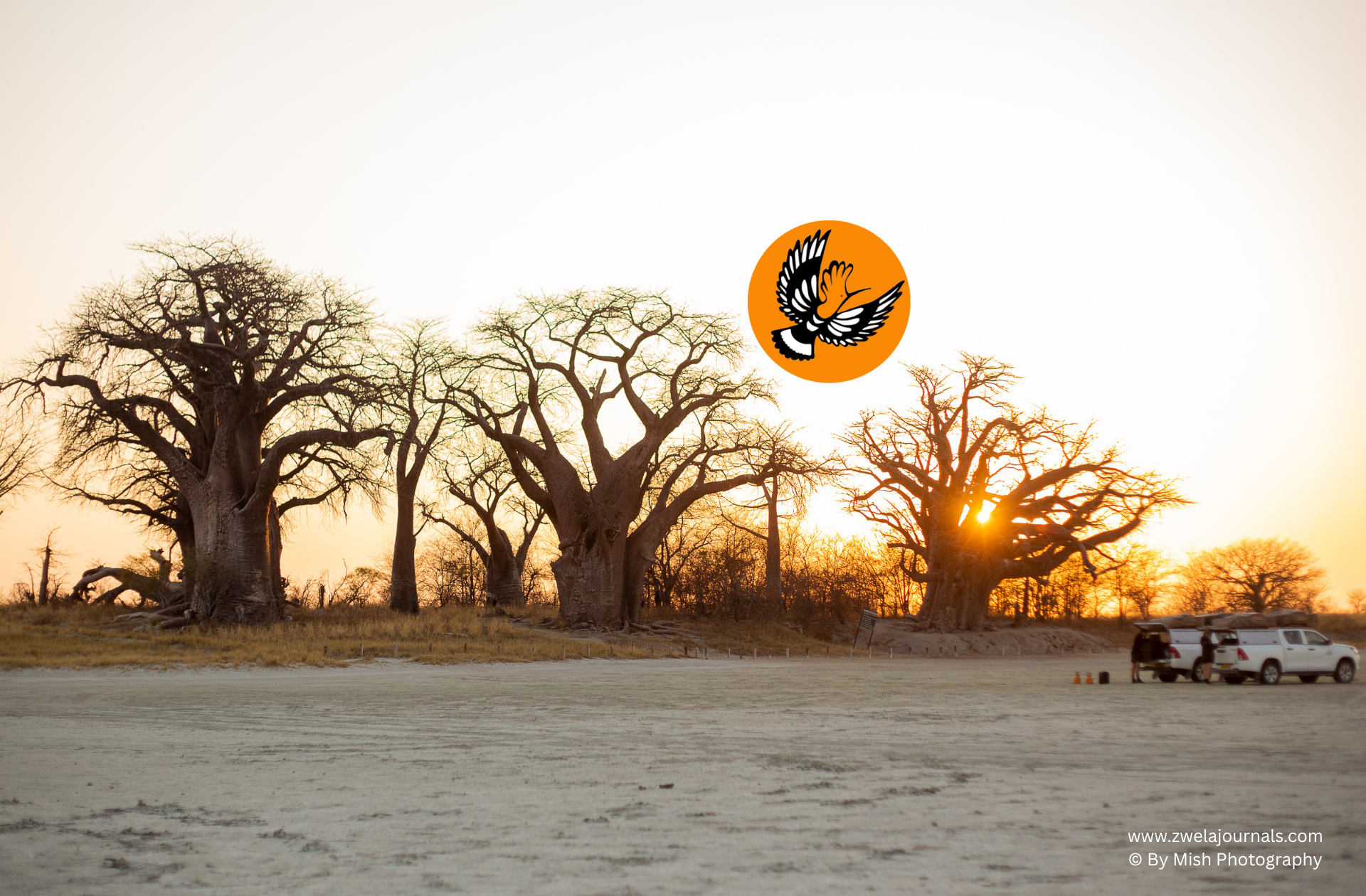
    The drive in offered its own highlights. Sandy roads yes but after Khwai it wasn’t too bad. We spotted antelope, a secretary bird, a kori bustard, and a variety of smaller beautiful birdlife as we navigated the sandy track. By the time we finally arrived at the start of Nxai Pan, our excitement was through the roof. Driving along the edge of the pan, we passed the famous Baines Baobabs. We had a sunrise date planned with them, so we didn’t stop, instead continuing to Site 2. The campsites are spaced so that you don’t see another soul.

    Our site was etched between two wise, giant baobabs perched on the edge of the pan. The bucket shower didn’t work, and the long-drop toilet made you cross your legs, but none of it mattered. The setting was beyond incredible. There was no sound or light pollution, just the sky burning orange and pink behind the baobabs, and the soft sounds of the bush around us. It was the perfect backdrop for our evening braai. We cooked, the kids journaled under the watchful gaze of the baobabs, and we sat around the campfire watching the sun dip below the horizon before heading to bed under a sky full of stars.

    Morning arrived softly. We woke to the pre-dawn bird twitter of the bush, the two ancient baobabs still standing guard in the early morning glow. We packed up early and drove the short distance over to the Baines Baobab cluster for breakfast. Named after the explorer and artist Thomas Baines, who painted them in 1862, these trees have stood here for centuries, quietly witnessing life unfold around them.

    Coffee brewed off the back of our 4×4´s as the first light highlighted every crease and curve of the ancient bark. We wandered quietly between the trees, feeling small in their presence. The sheer energy of the place kept us silent, even the kids. After exploring, breakfast, and coffee, an impromptu football game started. The pitch? The endless expanse of the salt pan. It was a game of sheer joy (and energy burning before our days drive) set in the most unforgettable setting. Magic doesn’t do it justice.

    Two essentials we ALWAYS travel with as a family: a football and Zwela Travel Journal.

    Logistics & tips

    Getting There:
    Baines Baobabs lie within Nxai Pan National Park, Botswana. The turn-off is along the A3 highway between Maun and Nata. From the main park entrance gate, it’s roughly 17 km to the turn-off to the pan, then another 12–14 km of sandy track to reach the baobabs and the campsites. The road can be soft in sections, especially late in the dry season, but with a 4×4 and deflated tyres, it’s very doable. Take it slow, enjoy the drive, and soak up the sense of space.

    Bookings:
    There are only three campsites at Baines Baobabs (Sites 1, 2 and 3), managed by Xomae Group. Each site is completely private, you won’t see another vehicle or person once you arrive. These campsites book up far in advance, especially during high season (June–October), so it’s worth planning early. You can book directly through xomaesites.com or alternatively we used Botswana Footprints – they are a booking agents for all Botswana bookings. This made the process easy and smooth.

    Facilities:
    Facilities are simple and rustic, a long-drop toilet, a bucket shower (sometimes working, sometimes not), and a braai/ fire pit. You’ll need to bring all your own water for drinking, cooking, and washing, as well as firewood or charcoal. There’s no water, electricity or fuel available anywhere nearby, so stock up before entering the park.

    Best Time to Visit:
    The dry season (May–October) is the easiest time to access the area. Roads are firmer, and the skies are crystal clear, perfect for sunrise and sunset light over the pans. During the wet season (December–March), the pans often flood, turning the tracks muddy and, at times, impassable.

    What to Pack:

    • Plenty of water and fuel – there are no supplies once inside the park
    • Food and snacks for self-catering
    • Firewood or charcoal for your braai
    • Football – ideal for a kick-about on the pan
    • Zwela Travel Journal – to capture and reflect on the adventures
    • Camera for sunrise and sunset shots, the light is dreamy
    • Binoculars for spotting antelope and birdlife on the drive in

    Travel Tips:

    • Leave no trace – take all rubbish with you, including biodegradable waste.
    • Make use of sunrise and sunset – the light is extraordinary and worth every bump of the drive.
    • Stay the night – this is many times suggested as just a day trip to see Baines Baobabs, but waking up in the first light of dawn and exploring it without anyone there is one of those moments that stays with you. It’s totally worth the overnight! And I think I would go as far to say, necessary!

  • Welcome to Zwela: Inspiring Kids to Explore South Africa Through Journaling

    Welcome to Zwela: Inspiring Kids to Explore South Africa Through Journaling

    At Zwela, we believe that every journey, whether a weekend away or a big family adventure, has the power to teach, connect, and inspire. Our mission is to help children see the world with curiosity and joy, using journaling as a tool to capture their unique experiences and perspectives.

    Why We Created Zwela

    Zwela was born out of a simple question: how can we help kids engage more deeply with the world around them? As parents who love to explore, we wanted to find ways to make travel meaningful for our children… not just about the destination, but about reflection, creativity, and learning.
    That’s how the Zwela Journals was created: to encourage kids to notice, draw, write, and remember the moments that make each trip special.

    The Magic of Travel Through a Child’s Eyes

    Traveling with kids in South Africa offers endless opportunities, from discovering wildlife in Kruger National Park, to feeling the sea breeze in Cape Town, or exploring the markets of Durban. Children experience these moments differently; they’re naturally curious, imaginative, and open.
    By journaling, kids learn to make sense of their adventures. It helps them build memories that last long after the trip ends. And South Africa was the place that has inspired Zwela’s first travel journal.

    Why Journaling Matters

    Journaling isn’t just about writing; it’s about reflection. For children, it:

    • Strengthens observation and storytelling skills
    • Builds confidence in self-expression
    • Encourages gratitude and mindfulness
    • Creates lasting keepsakes of family memories

    Join the Journey

    Follow along as we celebrate family travel, creativity, and connection. And if you’d like to make your next trip more meaningful, explore our Zwela Travel Journal for Kids to South Africa, the perfect companion for young explorers.