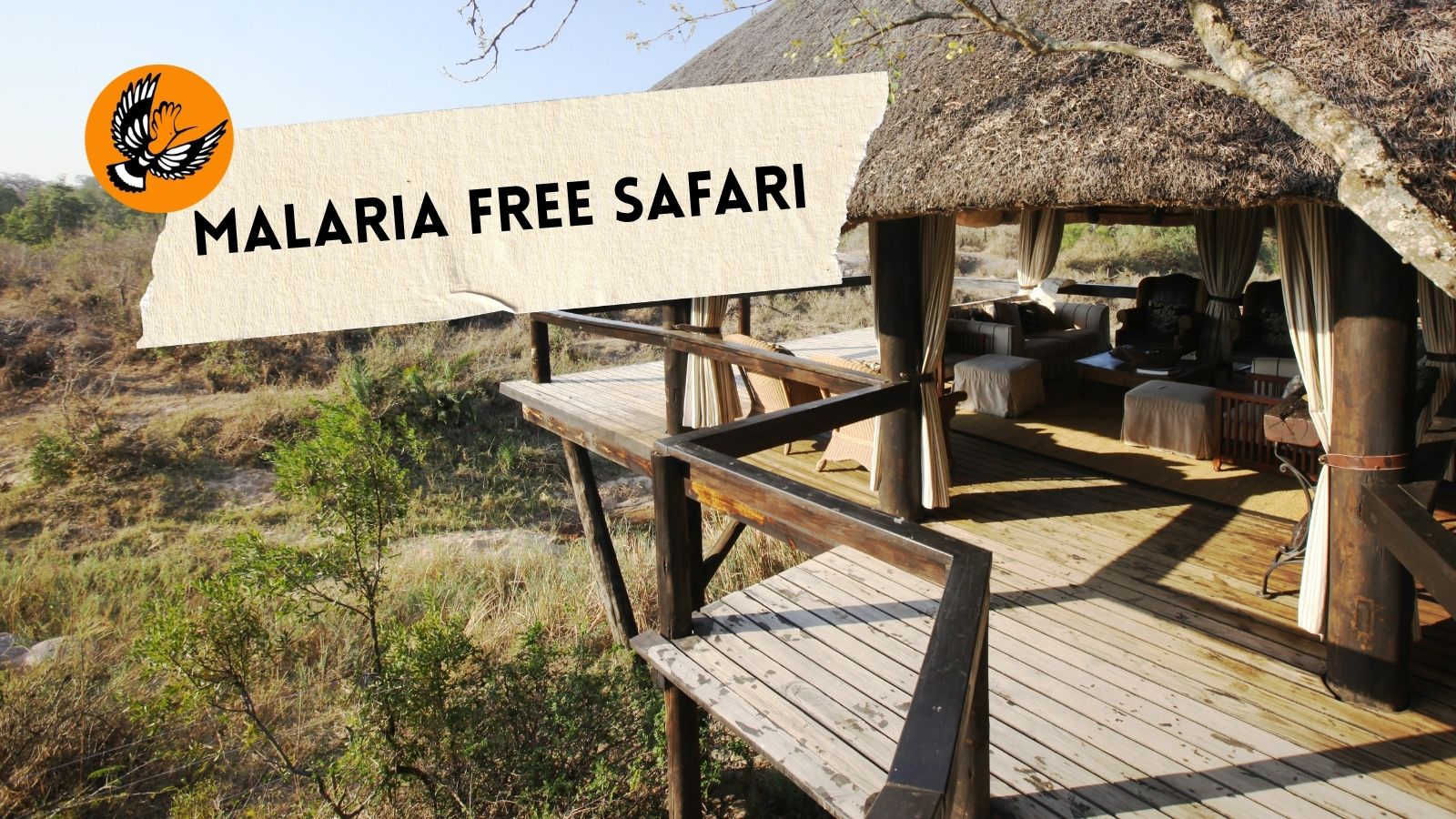
You dream of taking your children on safari. It’s that once-in-a-lifetime item on your bucket list that you just can’t ignore. You wake up thinking about safari, and go to bed planning itineraries in your head. Then you read about malaria and the various malaria pills for a seven-year-old, and the whole idea starts to wobble. Because no one wants a child on safari who is vomiting, and NO ONE wants to come back from that dream safari with malaria!
Here is the part nobody puts on the brochure: South Africa is the only country in Africa where you can see the Big Five, properly and reliably, in areas with no malaria risk at all. Not low risk. Not seasonal risk. No risk.
Hooray! The safari dream is back on! That single fact has quietly shaped where thousands of families go on their first safari, and it is the reason so many of them come home planning the next one. So let’s dive into where you can safely go on safari in South Africa with your family.
Why South Africa is the only country that can offer this
Almost every famous safari destination in Africa sits inside a malaria zone. The Okavango Delta, Chobe, the Serengeti, the Masai Mara, South Luangwa, Hwange, the Kruger lowveld: all of them carry malaria risk, and all of them mean prophylaxis for every member of the family.
Some places get described as safe because the risk is low. The Kenyan highlands and parts of the Kalahari fall into that group. Low is not the same as none, and the risk climbs through the rainy season, which is often exactly when families travel.
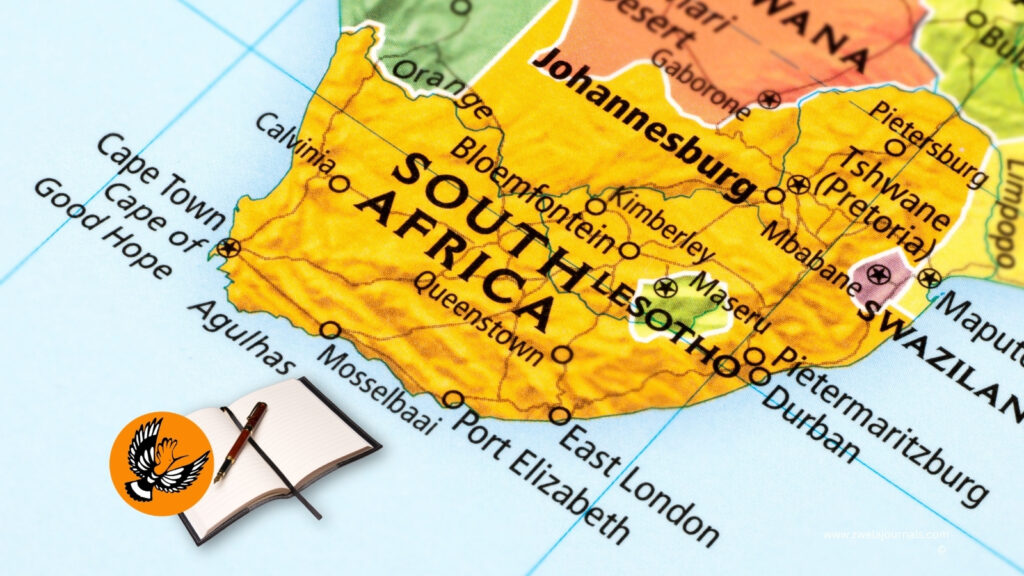
South Africa is different because of geography. Malaria in South Africa is confined to the far north east: the Kruger lowveld, the Limpopo river valley, and northern KwaZulu-Natal. Everything else, including several outstanding Big Five reserves, sits well outside it. No pills, no side effects, no arguments at bedtime about a tablet.
That is the whole promise, and South Africa is the only country that can make it.
Where malaria actually is in South Africa
Four districts in the far north east. Everywhere else, including every reserve marked here, has no malaria risk.
No malaria risk
Malaria-free Big Five reserve
Two things to understand before you start comparing
Lodges quote per person, per night, sharing. This catches out every first-time visitor. A lodge advertising R8,500 is R17,000 a night for two adults. Self-catering places and national park camps quote per unit instead, which is why the two ends of this page look so far apart. Fully inclusive usually means all meals and both game drives. Drinks are sometimes in and sometimes not, and conservation levies are almost always extra.
Age limits belong to the lodge, not the reserve. Within one reserve, different lodges can have completely different policies. Ask the age minimum in your first email, before you get attached to a photograph. The rates below were checked in September 2026 and move with the season, so treat them as the shape of the thing rather than a quote.
Luxury, boutique or budget, which safari do you choose?
South Africa offers safaris to suit every budget, so this question lands squarely in your lap. Decide what is important for your family. Is it an all inclusive spot with a pool, Egyptian cotton sheets and the service that South Africa is famous for? Or do you want a more local is lekker, do-it-yourself safari? Ultimately safari is about your journey in the African bush, and this can be experienced at any budget. Golden hour filtering through the grass while a leopard crosses your path, being woken to the dawn chorus, a haunting cackle of hyena calls, can all be part of your safari no matter the amount of money you pay. If you don’t have a guide, you can usually book a guided drive at least once separately (even in a self driving reserve) , or purchase some wildlife books and turn your kids into guides themselves. It’s this knowledge that makes safari special.
The Eastern Cape
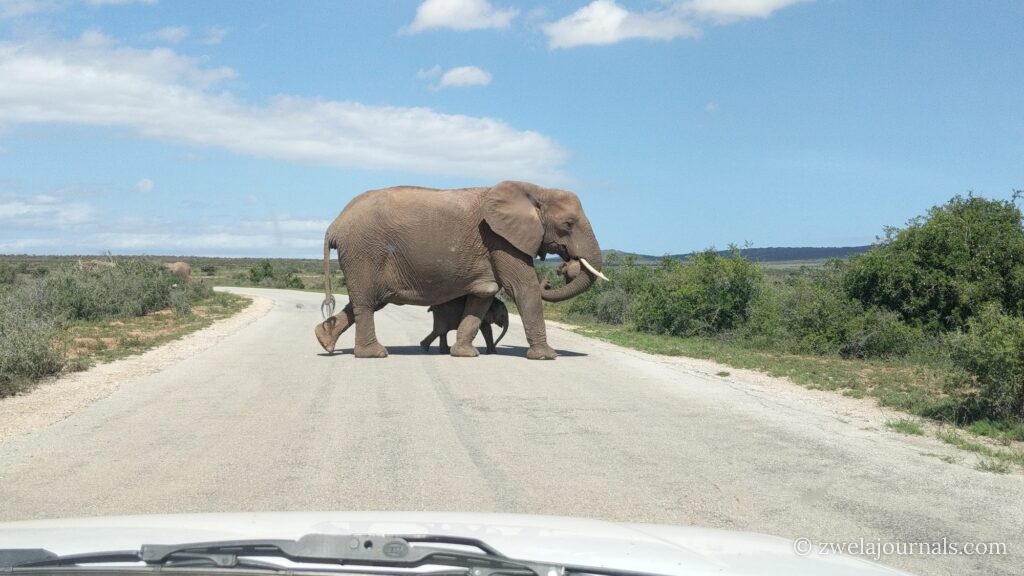
The Eastern Cape is the only malaria-free safari region on the coast, and the only one you can fold into a Garden Route trip without another flight. Everything else on this list hangs off Johannesburg. If you want beach and bush in the same fortnight, this is the answer.
It is also the gentlest introduction for young children. Drives are shorter, the reserves are closer together, and the climate is mild year round rather than punishing in summer.
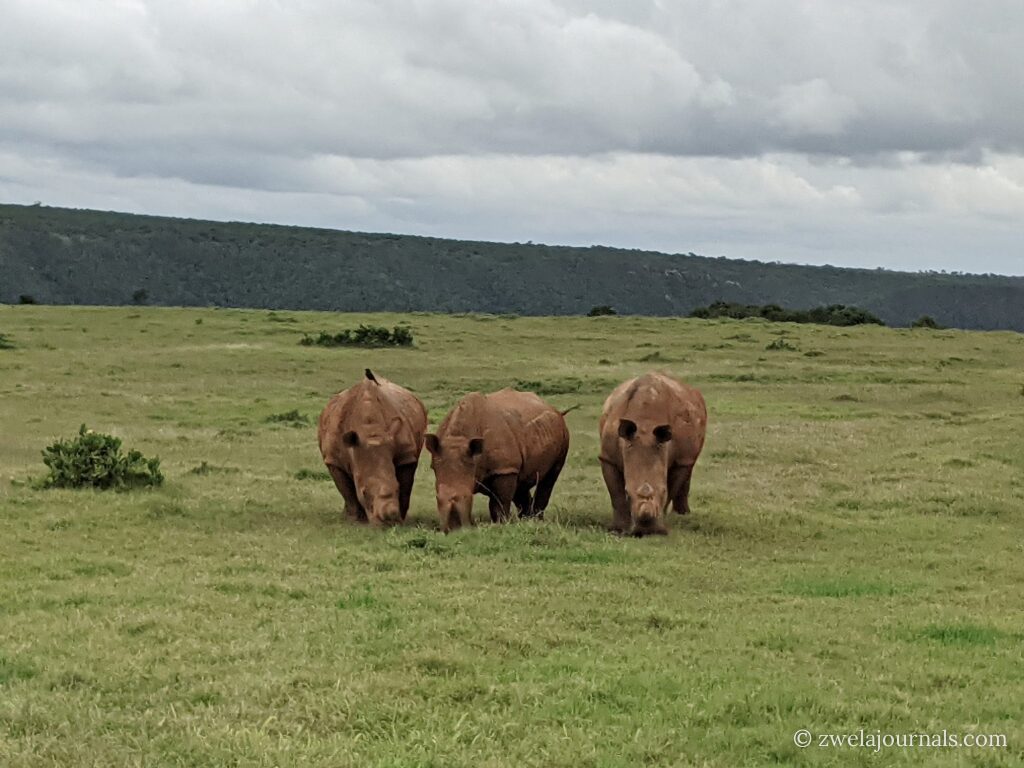
Kariega Game Reserve spreads five separate lodges across one Big Five reserve, which matters enormously when you have children of different ages. Kariega Main Lodge takes children of all ages with no lower limit, allows them on game drives and river cruises, and runs a kids club and a playroom for the hours in between. From R7,600 per person in low season, R8,500 to R8,900 in high season, R9,300 over Christmas and New Year. Children aged three to twelve pay half, under-threes are free.
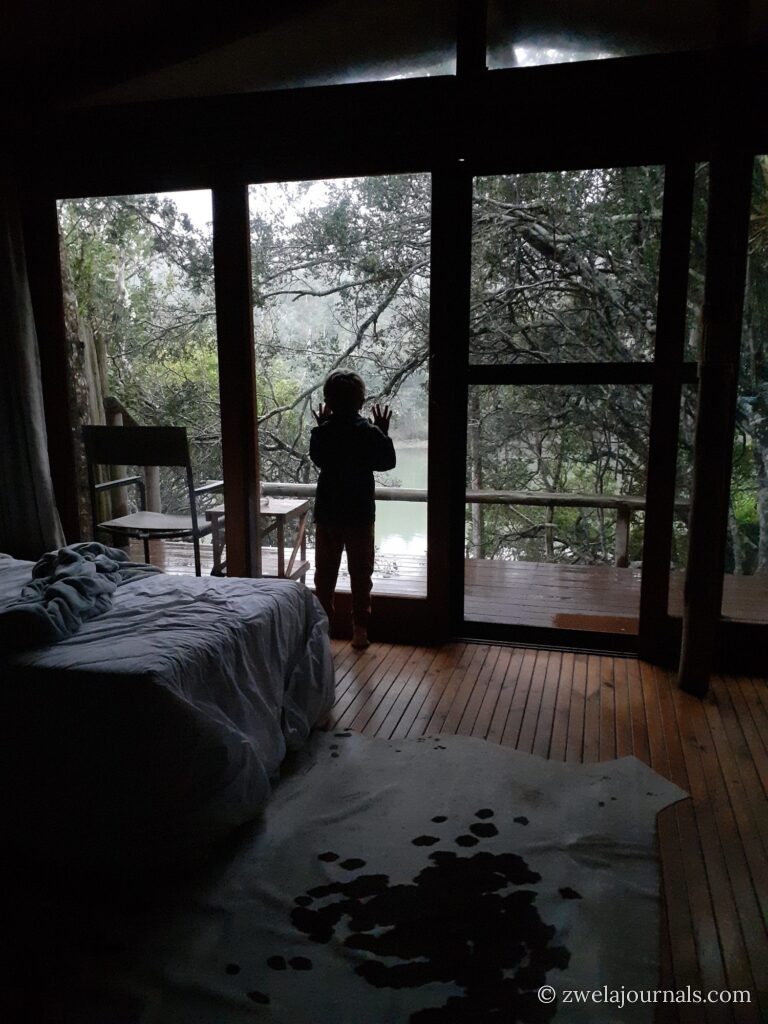
Sibuya Game Reserve does something few reserves anywhere can: you reach it by boat, travelling up the Kariega River to camp, which turns the arrival itself into the first thing the children write about and makes for a unique safari ecosystem. River Camp takes children from three years old. Forest Camp and Bush Lodge are built for couples and will not take under-twelves at all. It is a smaller reserve than its neighbours, and all the better for it if you have young ones who fade after two hours in a vehicle.
The budget end. Addo Elephant National Park is where this region gets genuinely affordable. You can self-drive it, which removes the single biggest cost of a safari, there are no age restrictions at all, and the road network is good. SANParks rest camp accommodation runs somewhere around R800 to R1,800 a night depending on the unit. If you have never booked a national park camp before, our guide to how SANParks camps work explains what the words on the booking page actually mean.
The region also holds the private reserves Shamwari, Kwandwe, Amakhala, Lalibela and Pumba, all malaria-free, all worth a look if the two above are full.
Madikwe, North West
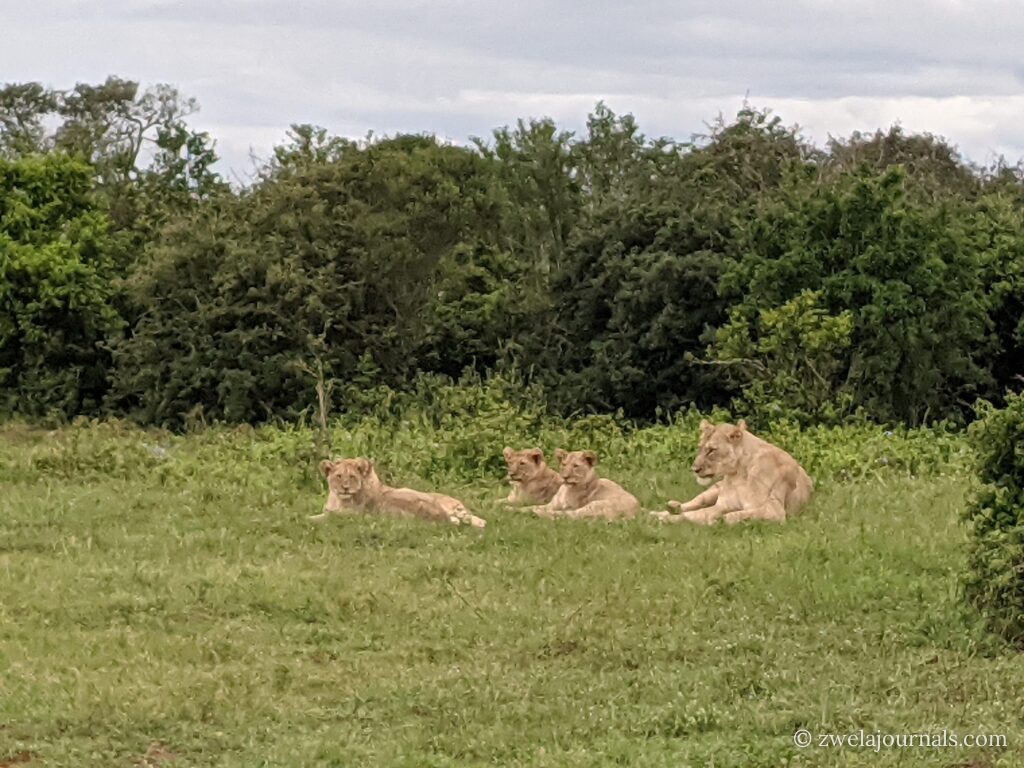
Madikwe is the reserve most often named first when people talk about malaria-free safari, and it earns it. It sits on the Botswana border, roughly four and a half hours from Johannesburg, and it is large, wild and genuinely uncrowded. There are no day visitors and no self-drive, so every vehicle you see belongs to a lodge. It is also where the family offering is strongest, with several lodges running proper children’s programmes rather than just tolerating young guests. For first time safari goers with kids, this is a strong contender, especially as all the lodges are all inclusive.
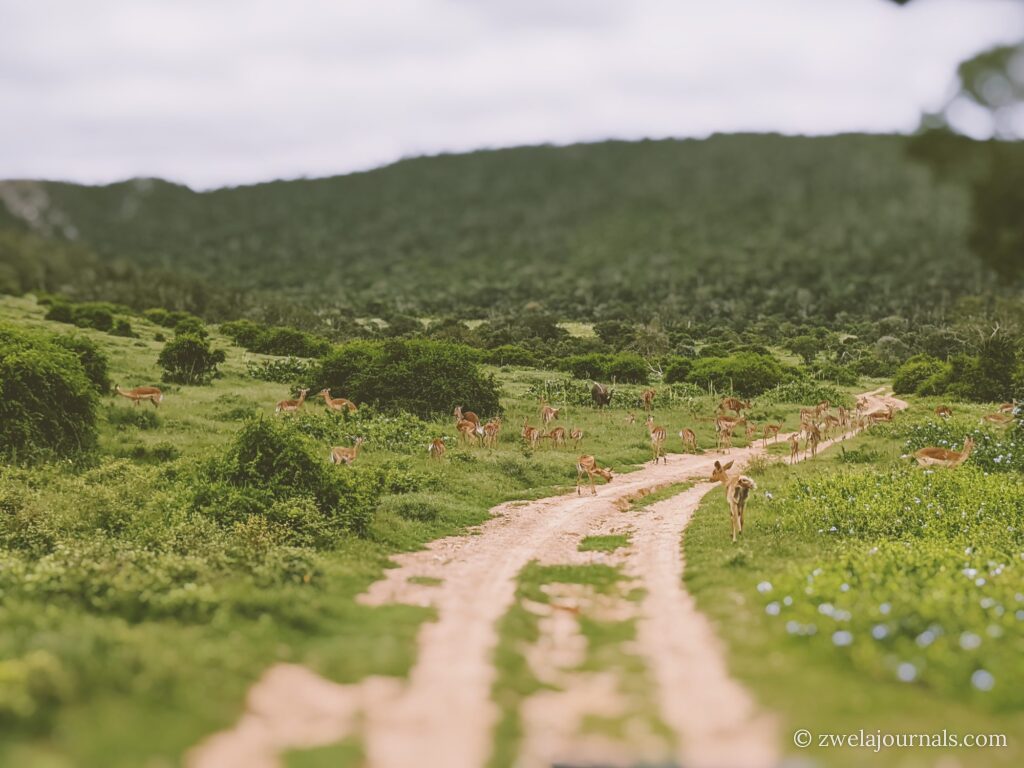
What Madikwe costs. This is the most expensive region on the page and there is no budget option, because there is no self-drive and no camping. Rates run from roughly US$345 per person per night at the lower end to well over US$2,000 at the top. Jamala Madikwe, for a sense of the ceiling, is R20,090 to R21,945 per person per night. If Madikwe is out of reach, Pilanesberg is two hours from the same airport and a fraction of the price.
Madikwe Safari Lodge takes children of all ages at its Lelapa Lodge and runs andBeyond’s WILDchild programme, with childminding available. Two of the twelve suites are family suites with a second bedroom, bunk beds and a sleeper couch, so nobody is sharing a bed with a five-year-old who kicks.
Jaci’s Lodges take up to three children under twelve in the suite with their parents, across both Jaci’s Safari Lodge and Jaci’s Tree Lodge. They run separate game drives for adults, for families and for the smallest guests, which is the single most useful thing a lodge can do. For the ones still too small for a full drive there are shorter child-friendly outings in a safe area close to the lodge, pitched entirely at small children: the toothbrush tree, the interesting insects, the things that sit at toddler eye level. Ask what they currently run for the age you are bringing, because arrangements change. The lodges are fenced, which lets you exhale.
Tau Game Lodge is the most honest about families in its pricing. Children between three and five pay a nominal fee and join the Cubz Club automatically. Six to eleven year olds stay at half the standard rate. The Cubz Club runs a short game drive after breakfast, then treasure hunts and craft activities. Rates start from around US$345 to US$395 per person per night, which makes it one of the more reachable lodges in the reserve.
Pilanesberg, North West
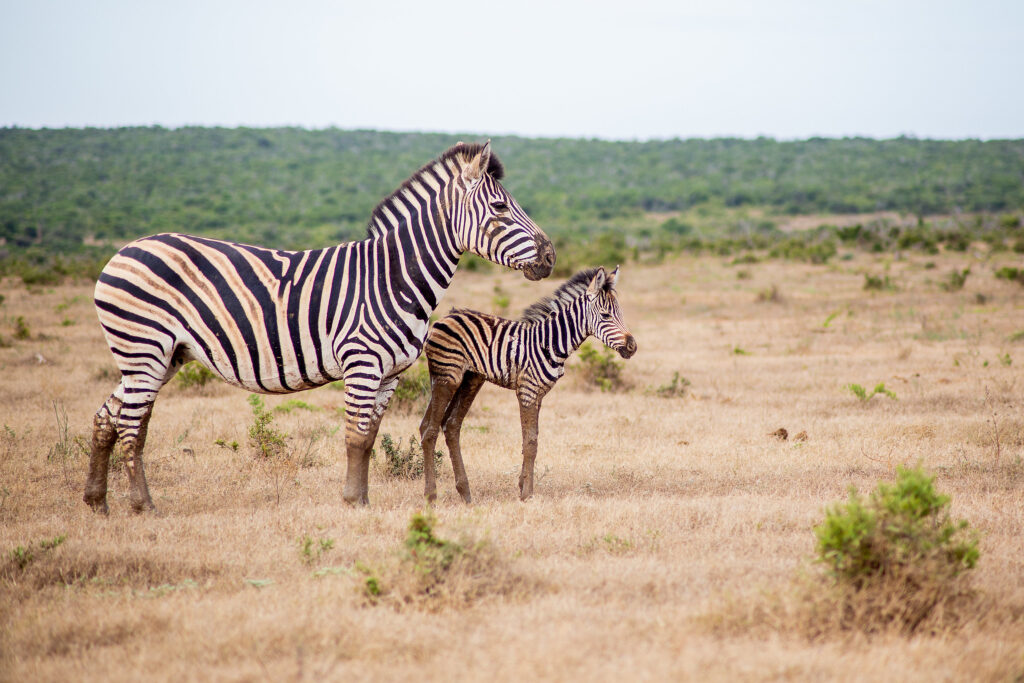
Pilanesberg is the practical one. About two hours from Johannesburg, set inside an ancient volcanic crater, and crucially the only genuine Big Five, malaria-free park within easy reach of the city that you can also self-drive. That makes it both the cheapest way into a Big Five safari in the country and the most forgiving with small children, because you set the pace and you can turn back whenever you like. It also has the widest spread of prices anywhere on this page.
Kwa Maritane Bush Lodge is the one to pick if you have children who lose patience in a vehicle. It has a game viewing hide at a private waterhole, reached from the lodge through an underground tunnel, which means animals at eye level with nobody having to sit still in a Land Cruiser. Children stay free sharing with adults, there is a Junior Rangers programme, and a playground, trampoline and putt-putt course for the middle of the day. Ninety rooms plus 25 self-catering cabanas, so it works at two different budgets.
Bakubung Bush Lodge sits right at the park entrance. The name means “people of the hippo”, and it is squarely aimed at families: infinity pool, tennis court, fitness room and an outdoor play area, with 76 studio rooms. You can join the lodge’s guided drives or take your own car out into the park.
Ivory Tree Game Lodge sits in a natural amphitheatre crossed by elephant paths, and has the Amani spa if the grown-ups want an hour off.
The budget end. Bakgatla Resort and Manyane Resort, both run by Golden Leopard inside the park, offer self-catering chalets, safari tents and camping, with pools, playgrounds, mini golf and a shop. Camping runs from around R200 to R300 per person, basic self-catering chalets from around R800 to R1,200, and children of six and under stay free. Combine that with self-driving and you have a Big Five safari at the price of a normal family holiday.
The Waterberg, Limpopo
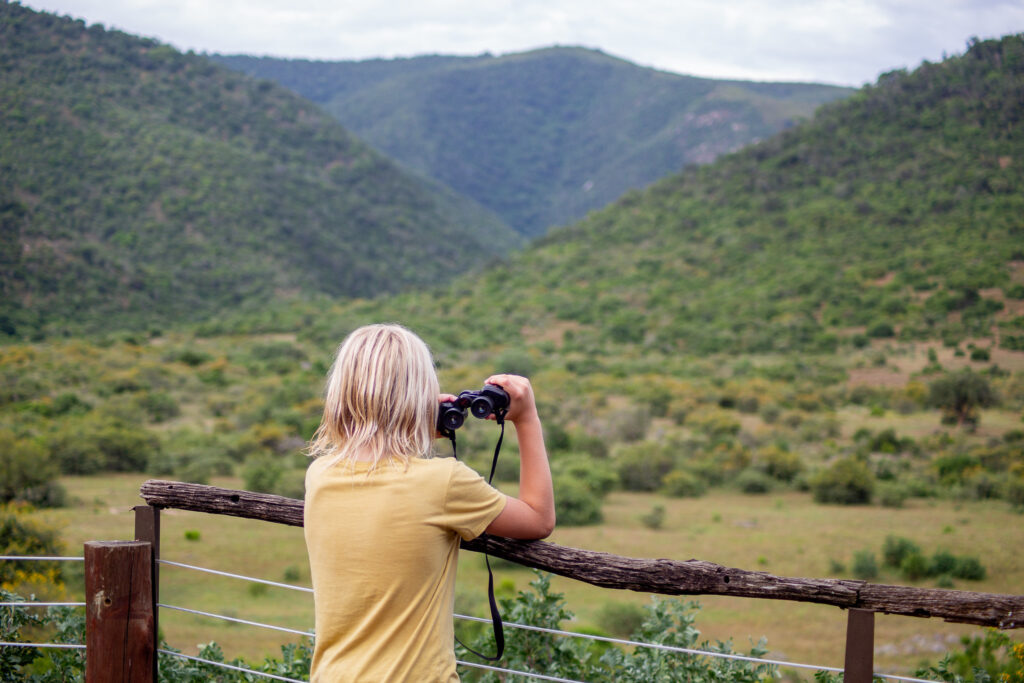
Worth being precise here, because Limpopo as a province does include malaria areas. The Waterberg is not one of them. It is a UNESCO biosphere reserve roughly three hours north of Johannesburg, malaria-free, and known for something the other reserves cannot offer: horse safaris. It is hilly, green and quieter than the big-name reserves, with rolling bushveld, clear streams and mountain gorges.
Jembisa takes children of all ages, with nannies, playrooms and bug hunting walks. It is a whole-house booking, which suits multi-generational trips where the cost divides across a lot of people. Rates are on application rather than published, so ask.
The budget end. Marakele National Park sits in the same mountains and is SANParks, so self-drive and camping bring the cost down to the same sort of level as Addo. The Waterberg also has a large number of self-catering farm cottages and small family-run lodges, which is where the real value in this region hides.
Nambiti, KwaZulu-Natal
The same precision applies in KwaZulu-Natal. Northern KZN does carry malaria risk. Nambiti, in the KZN midlands, does not. It is a smaller private reserve, Big Five, and often overlooked entirely, which is part of its appeal: you are unlikely to share a sighting with anybody.
It holds around a dozen small lodges rather than one big name, most of them family-run, and rates are generally not published openly the way Kariega’s are. That is not a bad sign, it just means an email rather than a booking button. It is an easy detour off the N3 between Johannesburg and Durban, which makes it a good first or last night of a longer trip rather than a destination in itself.
Getting there without entering a malaria area
You can drive to every reserve on this list without ever crossing into a risk area, and the routes are worth knowing because the question comes up constantly.
Johannesburg to the Waterberg runs up the N1 to Modimolle and then west, nowhere near the risk districts, which are much further north and east. Johannesburg to Madikwe or Pilanesberg heads west and north west, in the opposite direction to every risk area in the country. Johannesburg or Durban to Nambiti is the N3 through the high inland midlands, hundreds of kilometres from the KwaZulu-Natal risk zone on the Mozambique border. The Eastern Cape does not come into it at all: fly into Gqeberha, or drive the Garden Route from Cape Town, and you are clear the whole way.
You have to make an effort to drive into a malaria zone in South Africa. The roads that take you into one are the N4 east towards Komatipoort and Kruger’s southern gates, the R71 to Phalaborwa, the N1 north beyond Polokwane towards the Zimbabwe border, and the N2 north in KwaZulu-Natal past Hluhluwe towards Kosi Bay.
And one genuinely useful thing about transit. The mosquitoes that carry malaria bite between dusk and dawn, not in the middle of the day. Driving through a risk area in daylight is a very different proposition from sleeping in one, which is why the advice focuses on where you spend the night rather than every kilometre you cover. If your route clips a risk area, put your specific itinerary in front of a travel clinic rather than guessing from a map.
What malaria-free does not mean
It means no malaria. It does not mean no preparation.
You still want high factor sun cream and hats, because the African sun is not the sun you are used to. You still want long sleeves and long trousers at dawn and dusk, for ticks and for the cold rather than for mosquitoes. You still want to check everyone over after a bush walk.
Malaria zones can shift and official advice gets updated, so before you travel, run your itinerary past a travel clinic or your GP rather than relying on a blog post, including this one. What we can tell you is which reserves are recognised as malaria-free, and that list has been stable for a long time.
Good to know: safari with children in South Africa
The things nobody tells you until you are already there.
Self-drive is a real safari. There is a quiet snobbery about guided drives, and it is misplaced. In a self-drive park you stop when your four-year-old spots something, you leave when everyone has had enough, and you can go back to camp for lunch. A guide finds more, but your own car finds enough, and it costs a fraction as much.
Take the shorter drive. Three hours in a vehicle is a long time for a small person. Many lodges will happily do a shortened drive for families if you ask, and it is better to come back early wanting more than to spend the last hour managing a meltdown.
You do not have to go out every time. Some of the best sightings happen from camp. Waterholes draw animals all day, plenty of camps have a hide or a deck overlooking one, and an afternoon in the pool between drives is not a wasted afternoon. Children who have had a swim are far better company at sunset.
Choose the sunset drive over the night drive. Sunset drives catch the best light and the animals coming down to drink, and they get everyone back for dinner. Night drives run late, get cold, and are usually wasted on a tired child.
Give them something to do between sightings. The gaps are long and the gaps are where boredom lives. Activity books, checklists, binoculars of their own, and a journal to fill in all work. Our Zwela journals exist for exactly these hours, with wildlife checklists to tick off sighting by sighting and prompts that ask what they noticed rather than what they saw.
You do not need a new safari wardrobe. Khaki head to toe looks wonderful in the photographs and is entirely optional. What matters is avoiding very bright colours and white, which stand out against the bush, and leaning away from dark colours, which attract mosquitoes. Ordinary neutral clothes you already own are fine. Our packing guide for South Africa with kids covers the rest.
Winter mornings are properly cold. This surprises everyone. An open game vehicle at six in the morning in June, moving at speed, is bitter regardless of how warm the afternoon gets. Pack fleeces, gloves and beanies for early drives and evening ones, for children and adults both. Most lodges hand out blankets and hot water bottles, but do not count on it.
When in doubt, pack less. South Africa has excellent shops. Mosquito repellent, sun cream, hats, fleeces, even hot water bottles are all easy to buy on arrival, usually cheaper than at home. Bring the things you genuinely cannot replace and buy the rest there.
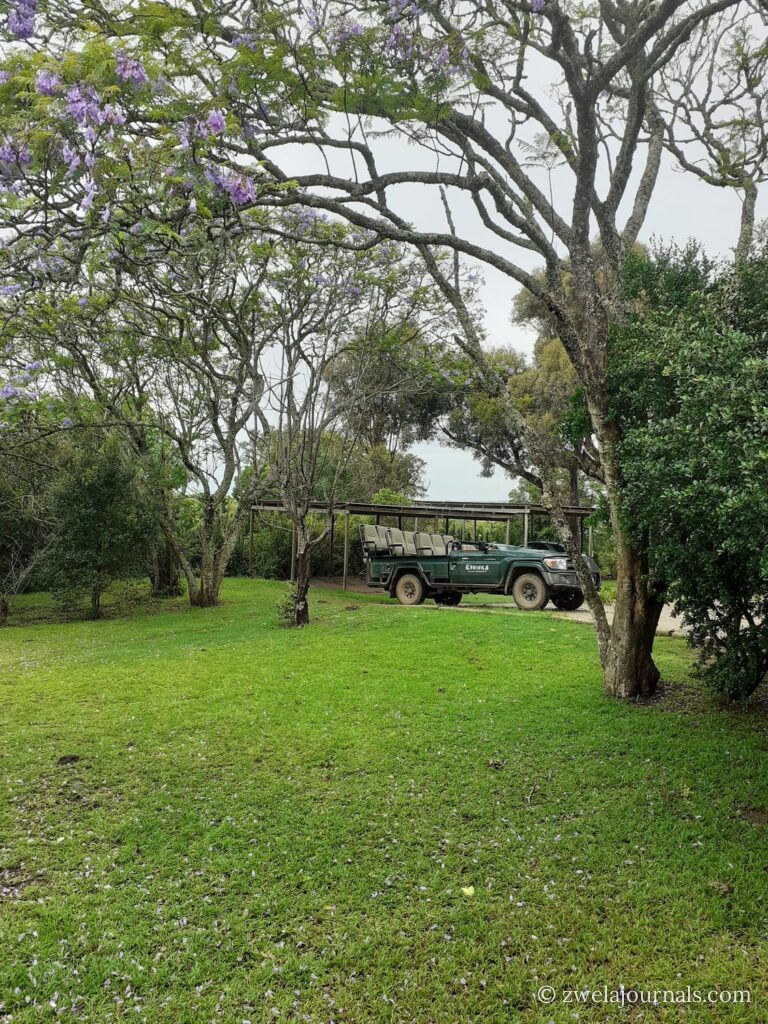
Tipping is expected, and it is not included. Tip in rand, always: dollars and pounds are possible but not appreciated, because the recipient then has to go and change them. Your guide and tracker are tipped separately, roughly R120 to R250 per guest per day for the guide and R60 to R120 for the tracker, halved if you only go out on one drive. Most lodges also have a general gratuity box for the people you never see, the kitchen, housekeeping and maintenance, at around R50 to R150 per guest per day. Restaurants everywhere in the country are 10 to 15 per cent. Tip on departure rather than daily: lodges usually leave envelopes in your room so the amount stays private, and you hand the guide and tracker theirs directly as you leave.
If you are travelling with older children, tipping is one of the more interesting things about the trip to talk through with them: who does the work you can see, who does the work you cannot, and why both get thanked.
So which one should you choose?
If you want beach and bush in one trip, go to the Eastern Cape. If you want the best wildlife and the strongest children’s programmes and the budget stretches, go to Madikwe. If you want the cheapest possible Big Five safari, self-drive Pilanesberg. If you want horses and hills and hardly anyone else, go to the Waterberg. If you want somewhere nobody else has been, go to Nambiti.
And if malaria-free is not a deal breaker for you, the Kruger is still the Kruger. We have written about the five most family friendly camps in Kruger National Park, which does sit in a malaria area and does need prophylaxis.
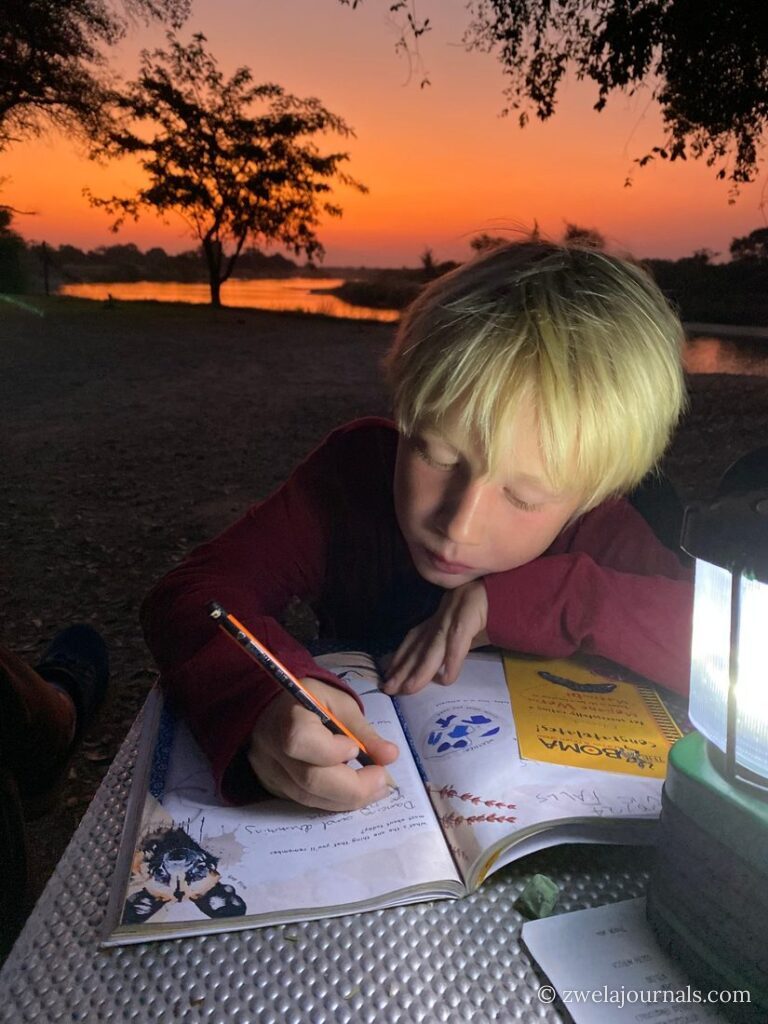
Whichever you choose, the thing children remember is almost never the animal you drove four hours to find. It is the dung beetle rolling its ball across the road while the whole vehicle waited. Encourage them to write that down before the day blurs into the next one. Our guide to what to expect on safari with kids has more on keeping them engaged between sightings, the best time to visit South Africa with kids covers the seasons, and our parent’s guide to safety in South Africa answers the question everyone asks next.
Take note of the little things, celebrate the big things.