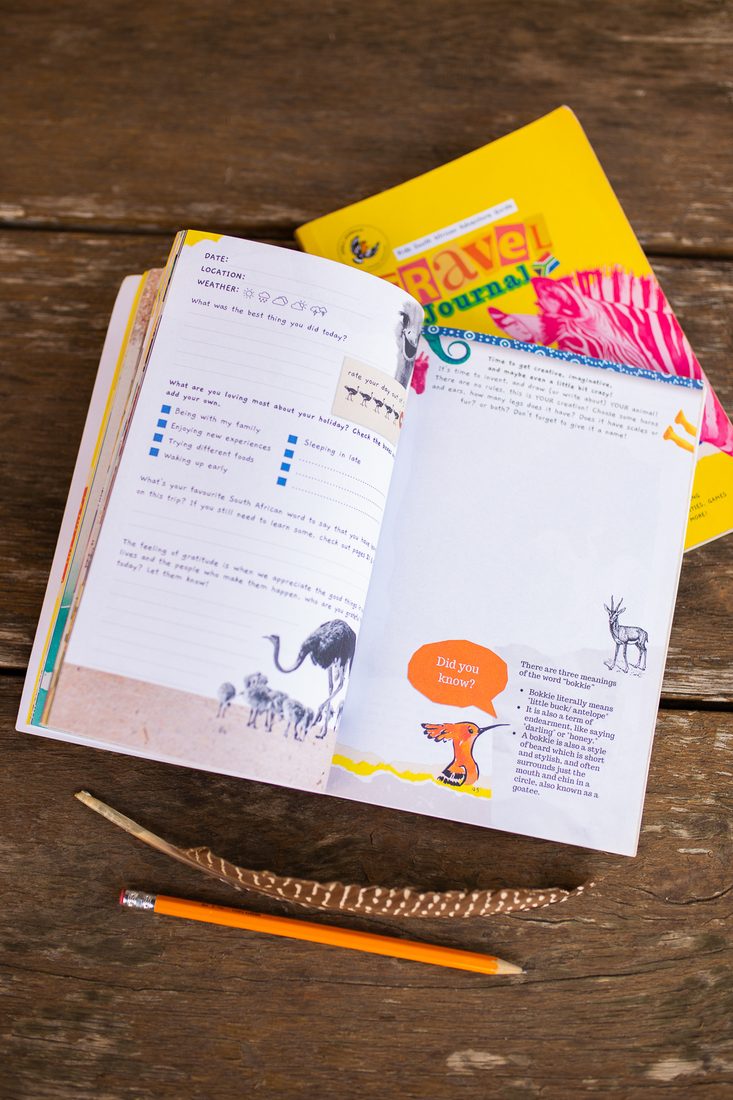
For a trip to South Africa
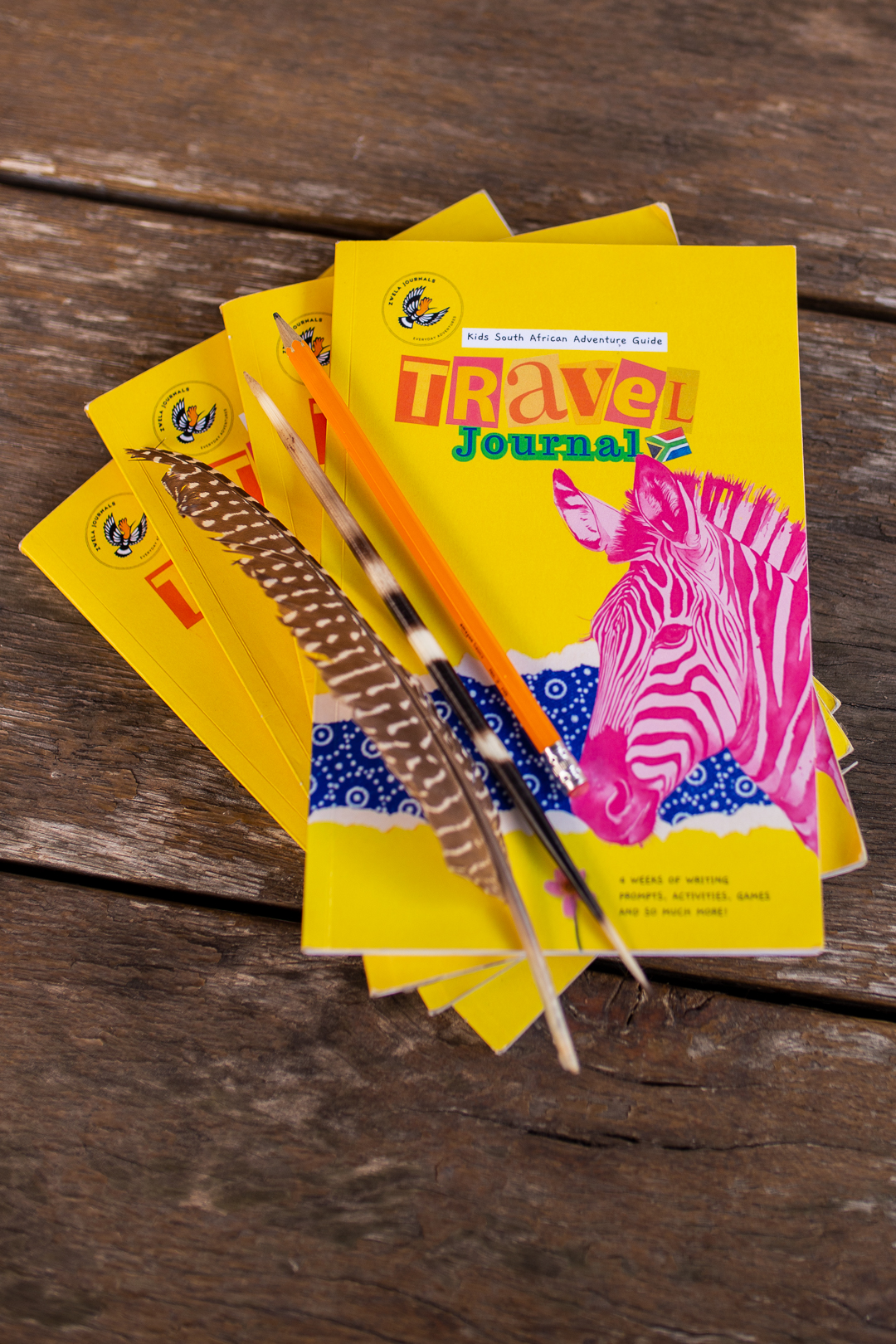
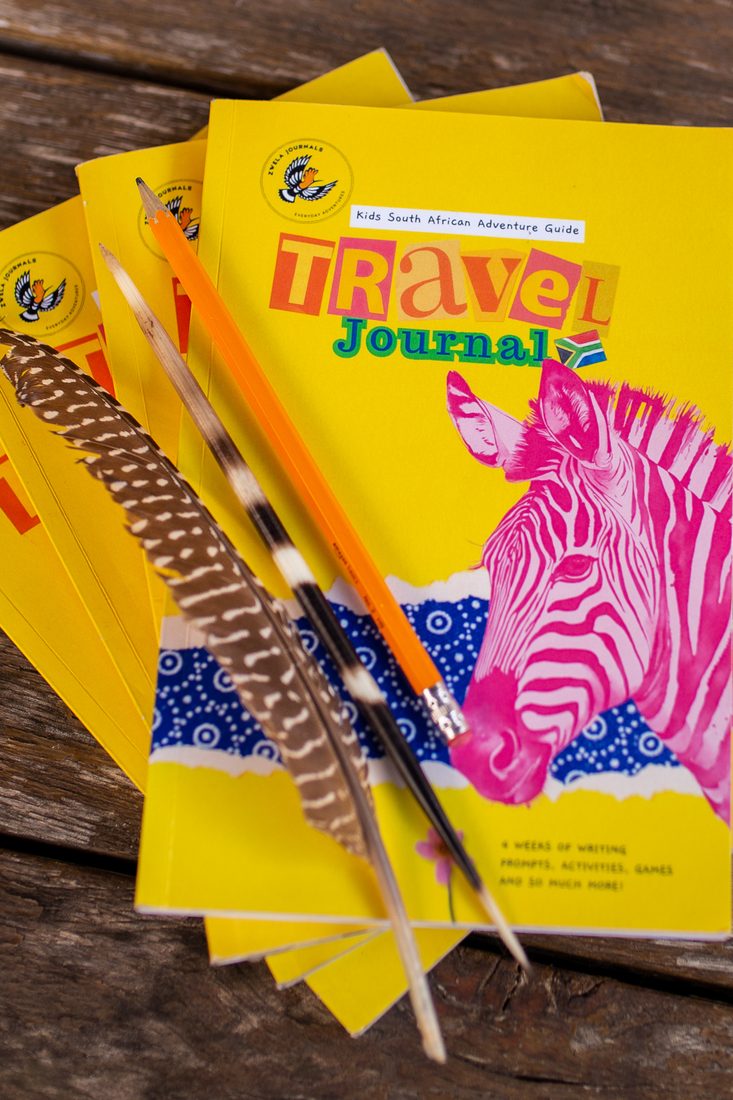
Kids South African Travel Journal
One country, one trip, every detail. Maps from Cape Town to Kruger, local lingo and food, the Big Five, and the beaches, bush and mountains in between.
- 126 full-colour pages, single-trip format
- 4 weeks of daily prompts and gratitude check-ins
- Safari checklists, road trip games, mazes and code-breaking puzzles
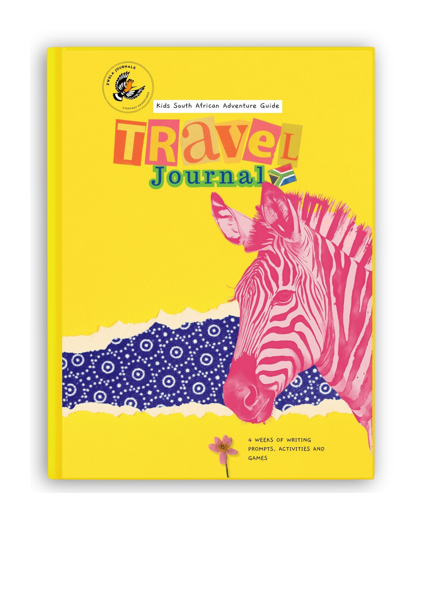
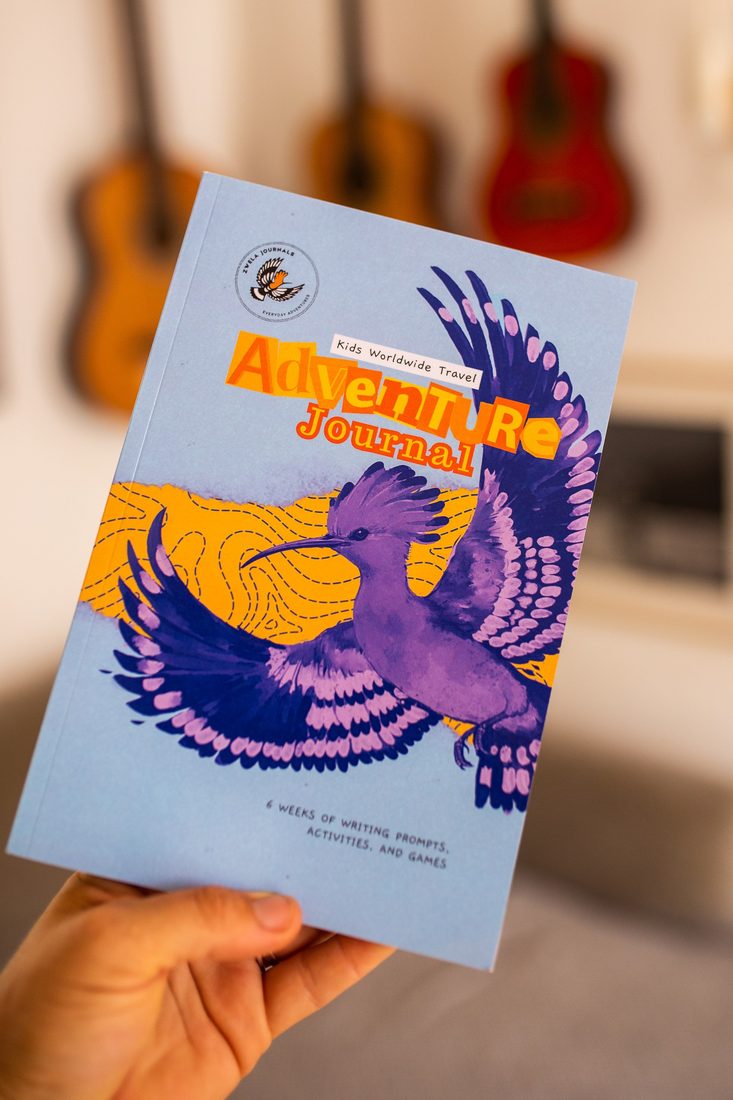
For every trip, anywhere
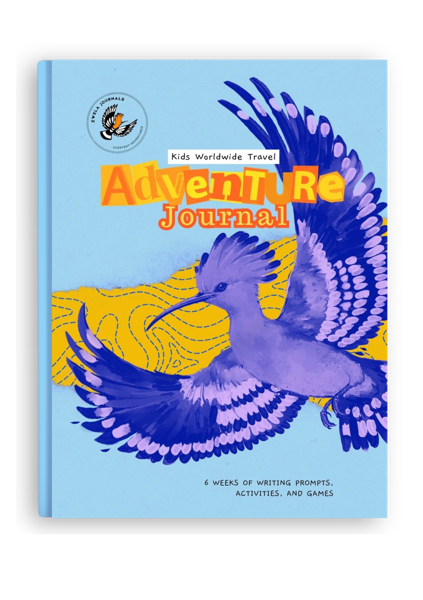
Kids Worldwide Adventure Journal
The journal that goes wherever you do. World maps to track each journey, guides to jungles, oceans and deserts, and a multi-trip format so one book holds years of adventures.
- 6 weeks of prompts, activities and games, in full colour
- Multi-trip: flights, road trips, camping and weekends away
- Card games for airports, bingo, scavenger hunts and pages to colour in
For safaris across Africa
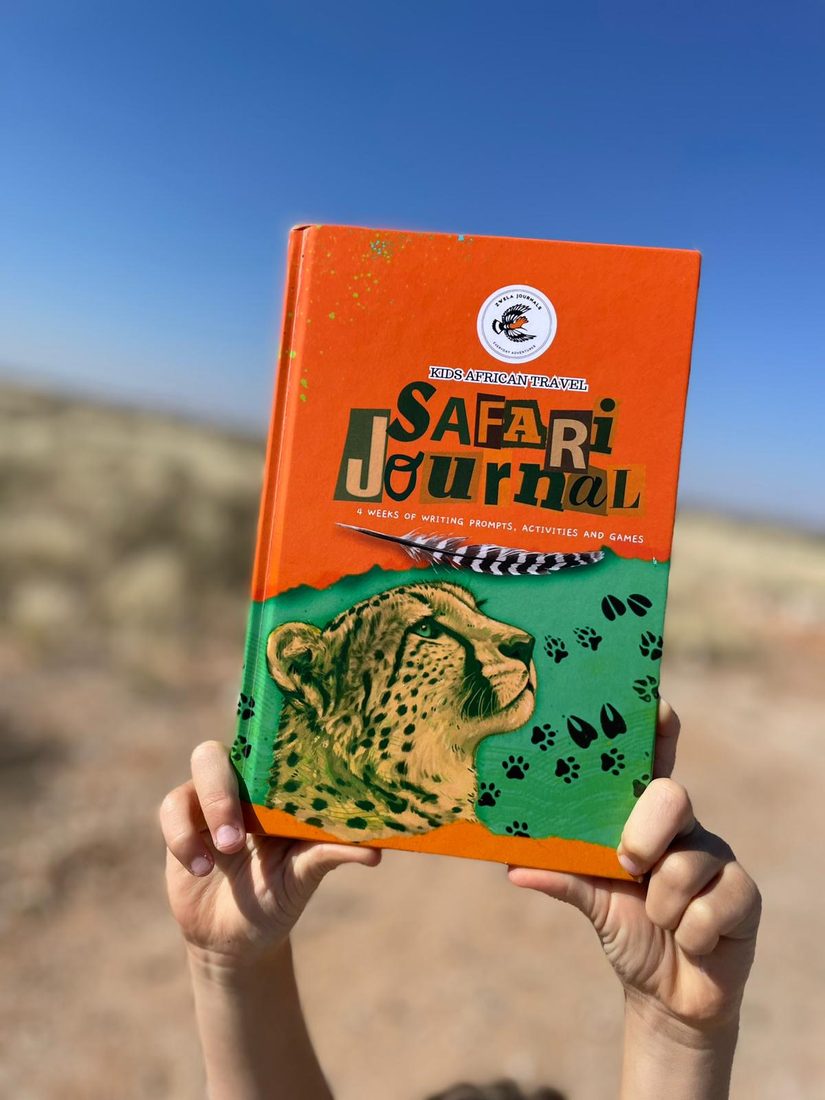
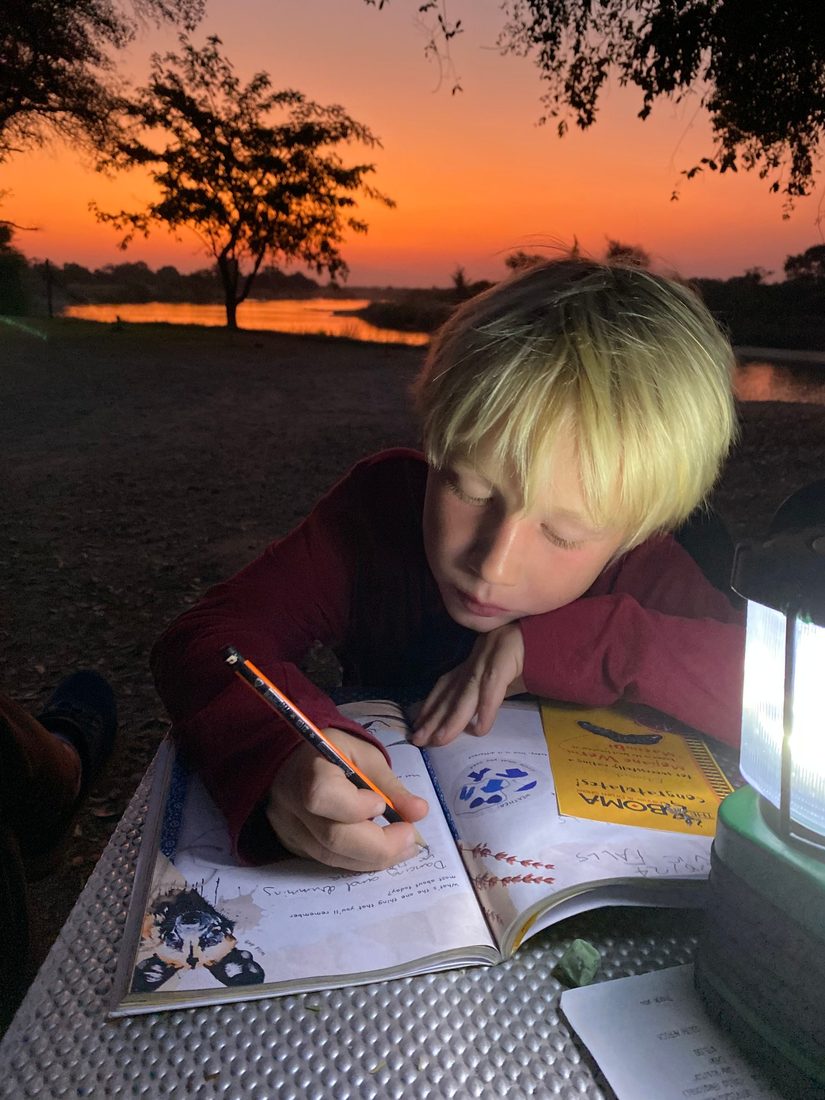
Kids African Safari Journal
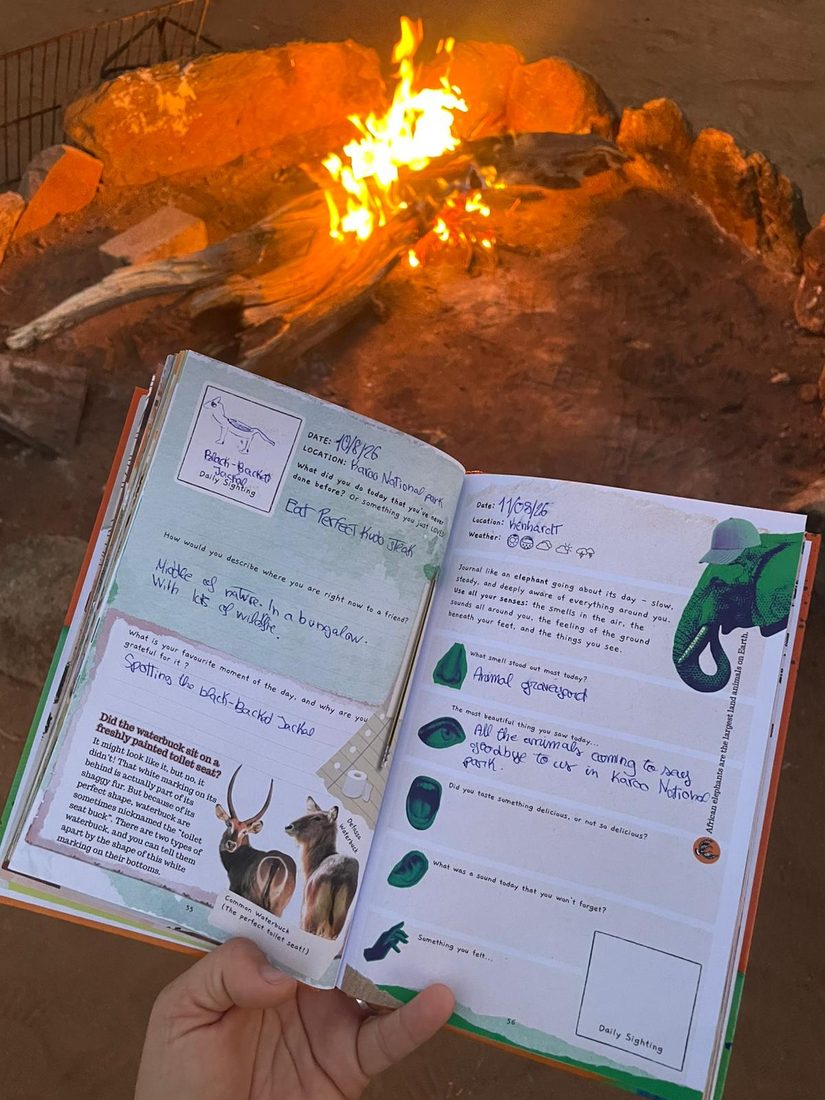
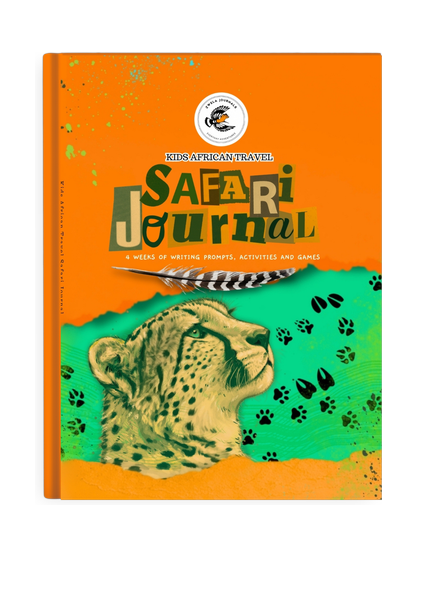
A safari guide written for children. Animal and bird identification, tracks in the sand, the rangers who protect it all, and a journal for every sighting from the first game drive to the flight home.
- 136 full-colour pages covering 8 countries, from Kenya to South Africa
- Wildlife checklists and identification pages to tick off, sighting by sighting
- 4 weeks of safari prompts, plus games and campfire recipes for the in-between
Kids travel journals, questions parents ask
What a Zwela journal is, how families use one together, and how journalling becomes a habit a child keeps.
What a Zwela journal is
What is a kids travel journal?
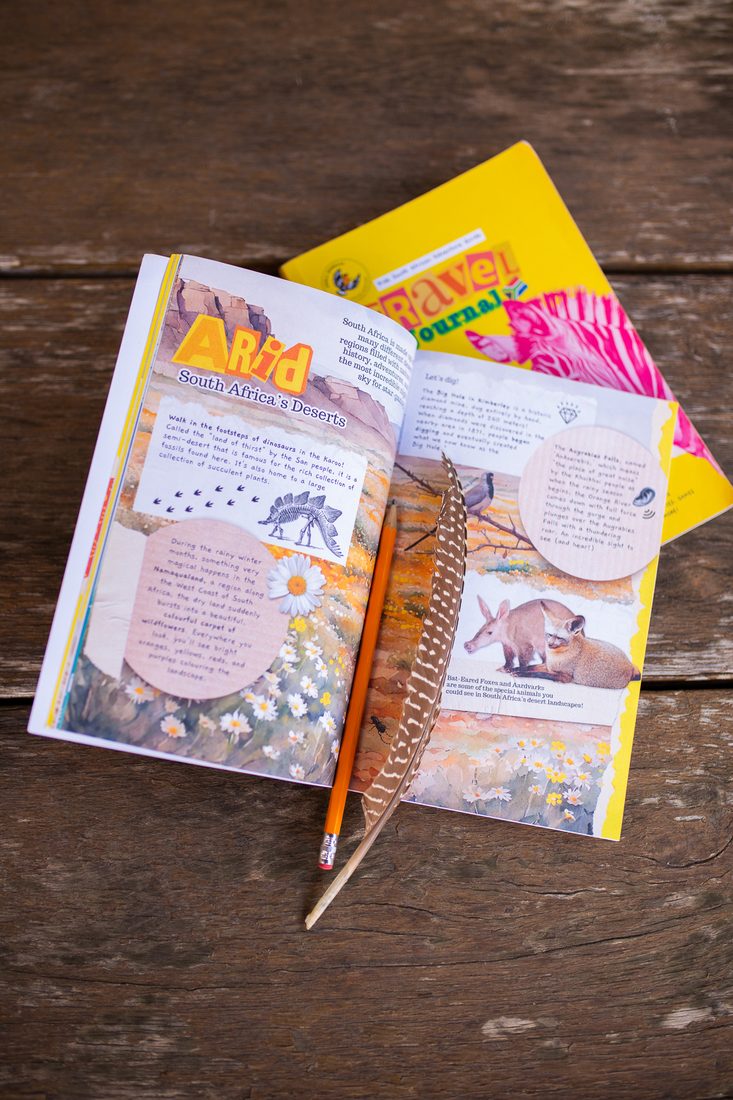
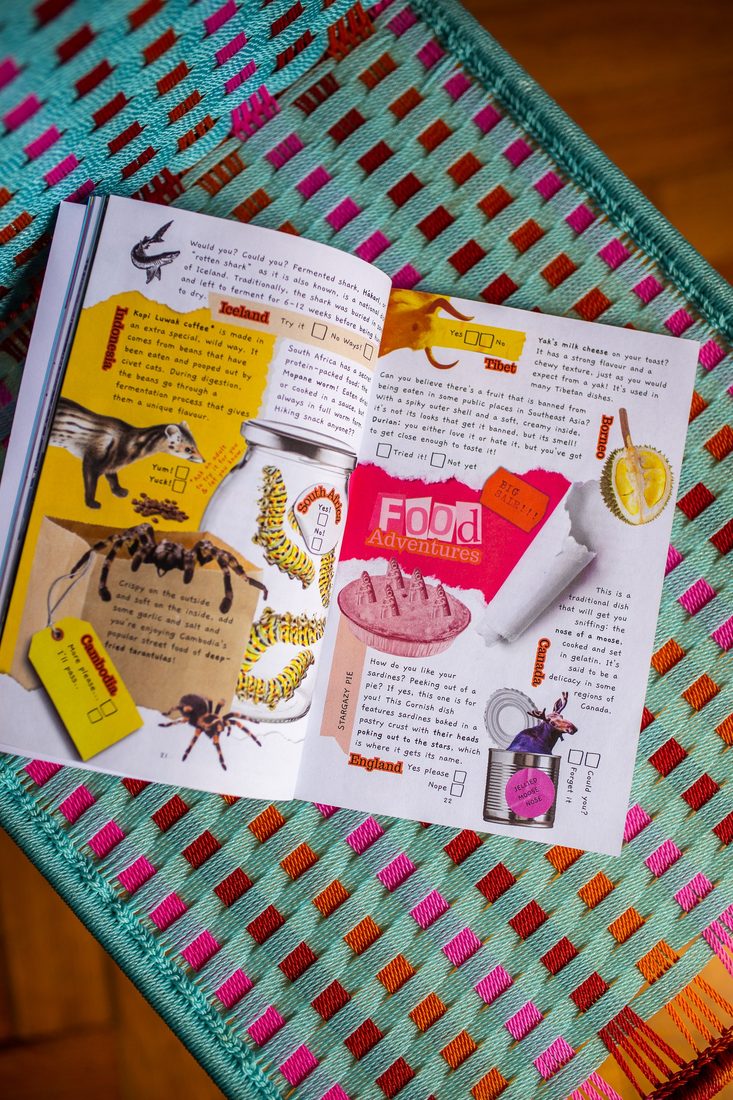
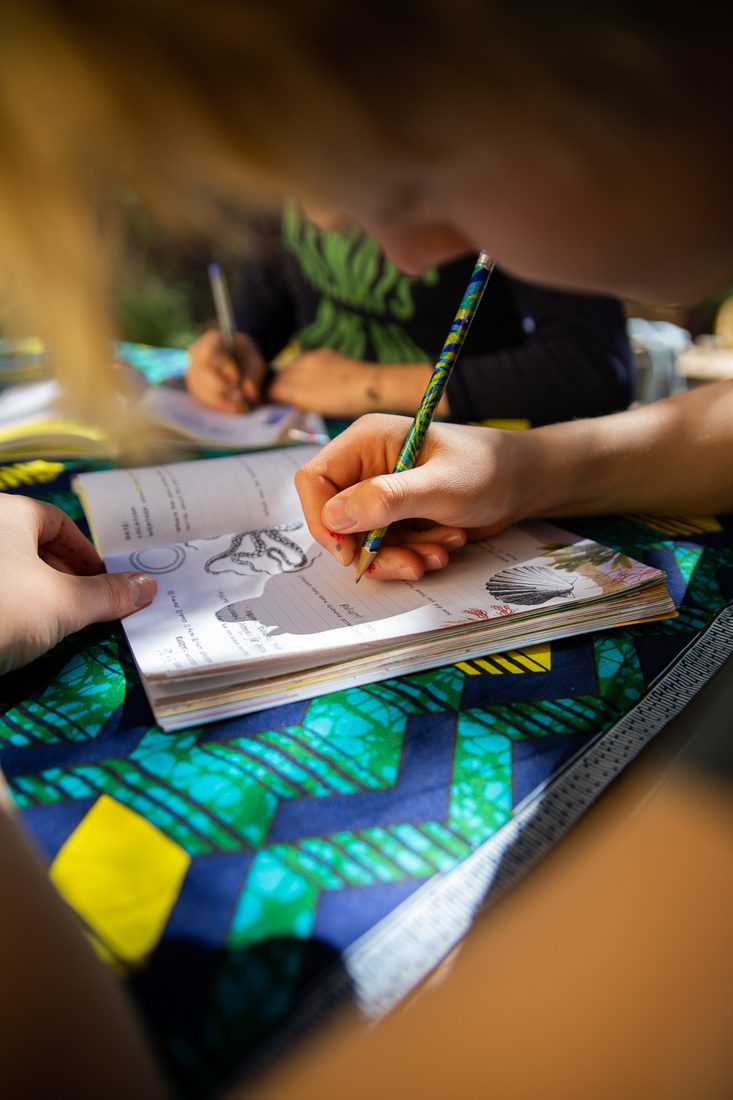
A kids travel journal is a place for a child to record a trip in their own words and pictures. A Zwela journal goes further than a blank notebook: it is a travel guide, a journal and an activity book in one, printed in full colour, with daily prompts, gratitude pages, illustrated guides to the places and animals a child will meet, checklists, games and space for drawings, tickets and photographs. There is no empty page to stare at, because every spread offers something to notice, draw, collect or remember.
What age are the journals for?
They are written for children aged 7 to 12. Younger children love them when a grown-up reads the prompts aloud and joins in with the drawing pages. Older children usually take the journal over completely and keep going on their own. The reading level stays gentle throughout, so the pages feel like an invitation rather than something a child has been told to do.
What is inside each journal?
Each one holds four to six weeks of daily prompts, gratitude check-ins, wildlife and place guides, checklists, games for long drives and flights, and plenty of room for drawing and sticking things in. The South African Travel Journal runs to 126 full-colour pages, the Kids African Safari Journal to 136 pages across eight countries, and the Worldwide Adventure Journal carries six weeks of prompts you can spread across many trips.
Using a journal as a family
Can parents use the journal too, or is it only for children?
Families use them together. The gratitude prompts are just as good asked around a dinner table as they are answered on paper, and the games and checklists tend to pull everyone in on a long drive or a slow afternoon in camp. Plenty of parents keep their own notes alongside a child’s page. The journal belongs to the child, but the adventure belongs to all of you.
Do we need one journal per child?
One each is best. A journal fills up with a child’s own handwriting, drawings and collected odds and ends, and that is what turns it into a cherished keepsake years later. Siblings sharing a single journal usually ends in negotiation rather than journalling.
Do we have to be travelling to use one?
Not at all. The prompts work just as well close to home, on a weekend away, a day out, or through a long school holiday. Zwela explores far-off lands and discovers adventures right in her own backyard, and a child with a journal in hand starts noticing their own street differently.
Journalling with children
What are the benefits of journalling for children?
Journalling gives children a way to slow down and take note of what is around them. It builds confidence with words and pictures, strengthens memory, and turns gratitude into something a child looks for rather than something they are told to feel. It is also a quiet, screen-free way to close a busy day of travelling. We have written more about this on our page about why travel journalling matters.
My child has never kept a journal. Is this a good place to start?
Yes. A Zwela journal is an introduction to journalling, made for a child who has never kept one. The prompts do the inviting, so nobody has to think of what to say first. A child who only wants to draw can draw. A child who wants to fill pages with words can keep going. Both count as journalling, and most children drift between the two.
How do I encourage a child who says they do not want to write?
Start with the pages that are not writing at all: the drawings, the checklists, the games, the things to collect and stick in. Most children begin adding words once the pages already feel like theirs. Reading a prompt aloud and answering it yourself first helps too, because it turns the journal into a conversation rather than something to be completed.
Choosing a journal
Which Zwela journal should we choose?
Choose by the trip. The South African Travel Journal suits a single trip to South Africa. The Kids African Safari Journal is a safari guide for game drives across East and Southern Africa, with animal and bird identification pages and wildlife checklists. The Worldwide Adventure Journal works anywhere in the world and has a multi-trip format, so one journal can hold several adventures. All three are for ages 7 to 12.
Can we try one before we buy?
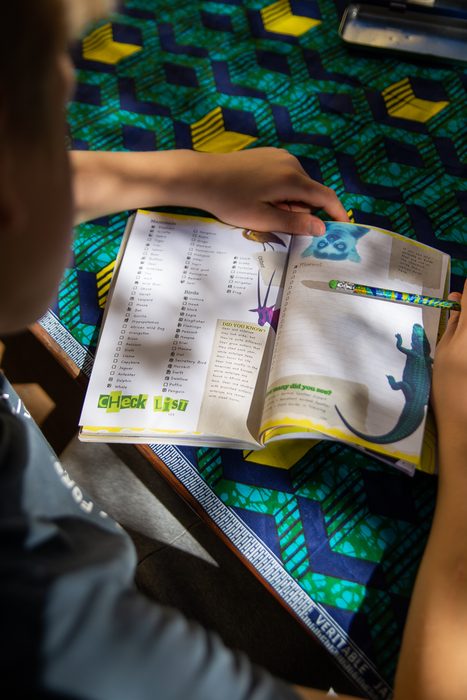
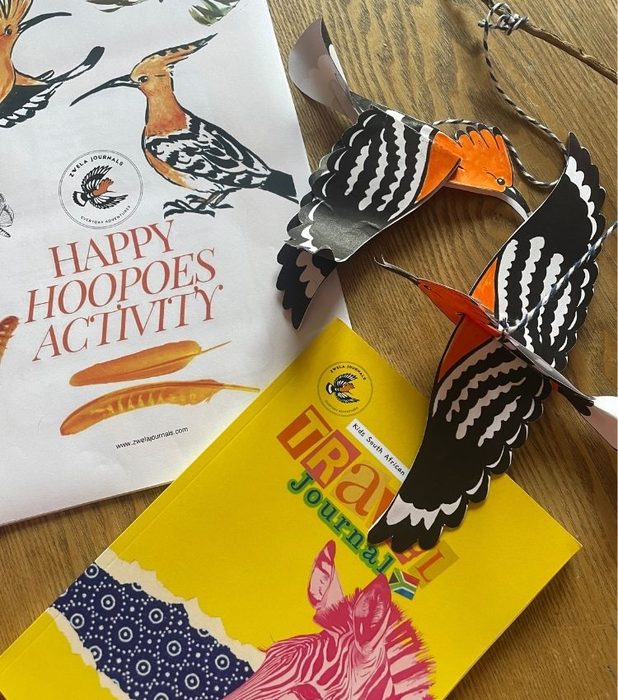
Yes. Our free kids activity printables come from the same pens as the journals, so you can see the style and let your child try a few pages before choosing.
There is more to explore
As an Amazon Associate, we earn from qualifying purchases.